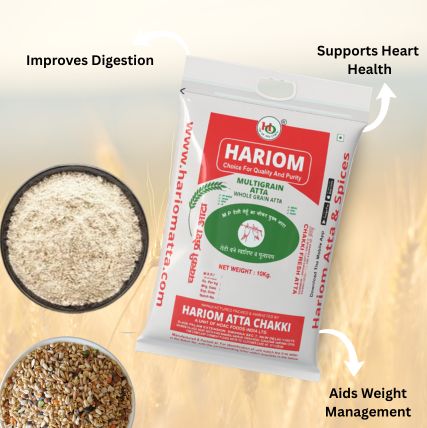
Best Multigrain Atta in India
Walk into any kirana store or open any grocery app today, and you'll find a dozen packets calling themselves the "best multigrain atta" in India. Bright packaging, big health claims, and prices that swing anywhere from budget to premium for what looks like the same blend of grains. For a shopper, that's confusing. How do you actually tell a good multigrain atta from an average one, and is the premium multigrain atta on the top shelf really worth the extra money?
This is not a new problem. Indian households have always been particular about their atta, testing it by touch, smell, and the way dough behaves in their hands, long before "multigrain" became a label on a packet. What's changed is that this judgment now has to happen online too, where you can't touch the flour before you buy multigrain flour online. So the question shifts from "does this feel right" to "what should I actually be checking before I buy."
That's what this blog is for.
What Makes a Multigrain Atta "Premium" in the First Place
Not every multigrain atta that calls itself premium actually earns the word. Premium isn't a taste or a colour, it's a set of choices made before the flour ever reaches a packet.
The grain mix matters more than the grain count. A blend of five carefully chosen grains, wheat, chana, jowar, bajra, and ragi in the right proportion, behaves very differently from a blend of ten grains thrown together to make a bigger claim on the packaging. The best multigrain atta isn't the one with the longest ingredient list, it's the one where each grain is there for a reason, whether that's protein, fibre, or the right texture for roti.
Fresh chakki grinding, not old stock reprocessed. A genuinely premium multigrain atta is milled close to the point of sale, not sitting in a warehouse for months before reaching your kitchen. Freshly ground atta has a distinct aroma and a softer dough, this is one of the easiest ways to tell premium from average, even before you cook with it.
No additives to fake shelf life. Some multigrain blends use preservatives or bleaching agents to extend shelf life or lighten colour. Genuinely premium atta relies on proper packaging and grain quality instead, which is part of why it costs more to produce.
Sourcing you can actually trace. Premium multigrain atta typically comes from grain sourced directly from farms or trusted mills, not blended from whatever is cheapest in the market that week. This consistency is what keeps the taste and texture the same, packet after packet.
Multigrain Atta Price: What You're Actually Paying For
This is the part most shoppers skip past, and it's exactly why price comparisons across brands often feel misleading.
A lower multigrain atta price usually means one or more of these trade-offs: a cheaper grain mix with more wheat filler and less of the actual multigrain content, older stock that's been sitting longer, or a blend with fewer nutrient-dense grains like ragi and bajra, which cost more to source than wheat alone.
A higher price, on the other hand, should reflect real inputs, better grain-to-wheat ratio, grains that are genuinely nutrient-dense rather than bulk fillers, and fresher milling cycles. Price should track quality, not marketing. Before deciding a multigrain atta is overpriced or a bargain, it's worth checking the ingredient list rather than just the number on the packet. A slightly higher price for a genuinely well-sourced blend is usually the better deal per meal, since you need less of it to get the same nutritional benefit as a diluted mix.
Where a multigrain atta is positioned matters too. Loose or unbranded multigrain atta at a kirana store is often the cheapest option, but you rarely know the exact grain ratio or how fresh it is. Branded, traceable multigrain atta costs more, but you're paying for consistency you can rely on every single time you cook.
Buying Multigrain Flour Online: What to Check Before You Order
More households are choosing to buy multigrain flour online now, for the convenience, but a few checks make the difference between a good order and a disappointing one.
Check the grain list, not just the word "multigrain." Look for the actual grains used and their approximate ratio, if a brand doesn't disclose this, that's usually a sign the blend isn't something they're proud of.
Look at the packaging date, not just the expiry date. Multigrain atta doesn't have as long a shelf life as refined flour, since it retains more natural oils from the grains. A recent packaging date is a better signal of freshness than a distant expiry date.
Read beyond the star rating. Ratings tell you if people liked the packet, but reviews that specifically mention dough texture, taste, or how it performed in parathas versus roti tell you far more about whether it'll suit your kitchen.
Start with a smaller pack if you're trying a new brand. Even the best multigrain atta might not match a family's usual taste on the first try. A smaller online order lets you test this without committing to a large sack.
Check if the seller mills to order or ships from batch stock. Brands that grind fresh per order or in small batches tend to deliver a noticeably better product than those shipping from large, aging inventory.
Why This Matters for Everyday Cooking
The reason all of this is worth paying attention to isn't just about getting your money's worth, it's about what actually ends up on the table. A well-sourced, freshly milled multigrain atta makes softer rotis, holds together better in parathas, and delivers real nutritional value from grains like ragi and bajra rather than diluted traces of them. A cheaper, poorly sourced blend might save a little money per packet, but it often means denser dough, inconsistent taste, and less of the nutrition the "multigrain" label promised in the first place.
For a grain that goes into a meal almost every single day in most Indian homes, the quality of the atta you choose has an outsized effect, far more than most people realise when they're comparing prices in a store aisle or scrolling through options online.
Frequently Asked Questions
What is the best multigrain atta to buy? The best multigrain atta is one with a clear, traceable grain mix, fresh milling, and no unnecessary additives, rather than the one with the flashiest packaging or the longest list of grains.
Why does premium multigrain atta cost more than regular atta? Premium multigrain atta uses a higher proportion of nutrient-dense grains like ragi and bajra, fresher milling cycles, and better sourcing, all of which cost more to maintain consistently than a standard wheat-heavy blend.
Is a higher multigrain atta price always a sign of better quality? Not always, but price differences usually reflect real factors like grain ratio and freshness. Checking the ingredient list alongside the price gives a much clearer picture than price alone.
Is it safe to buy multigrain flour online? Yes, as long as you buy from a seller who discloses the grain mix, shows a recent packaging date, and has genuine reviews mentioning texture and taste, not just star ratings.
How much multigrain atta should I order the first time I try a new brand? Starting with a smaller pack is a good idea when trying a new multigrain atta brand, since taste and texture preferences vary by household, and it lets you judge quality before committing to a larger order.