Fresh Atta: How to Identify It, Store It Properly and Make Softer Rotis
Fresh atta is an important part of everyday Indian cooking. From soft rotis and parathas to chapatis served with dal and sabzi, the quality of wheat flour can influence the taste, texture and overall cooking experience.
However, choosing good-quality atta involves more than looking at its colour or reading the label. Understanding the flour's ingredients, aroma, texture, packaging and storage conditions can help you make a more informed choice.
In this guide, discover how to identify fresh atta, store it correctly and choose suitable chakki atta for your family's everyday meals.
What Is Fresh Atta?
Fresh atta is wheat flour that has been milled and stored under suitable conditions, with its natural quality preserved. Its characteristics depend on the wheat variety, milling process, packaging, storage conditions and time since milling.
Whole wheat atta contains components of the wheat grain, including the bran, germ and endosperm. The proportions and characteristics of these components influence the flour's colour, texture, flavour and baking performance.
Freshness alone does not guarantee better nutritional quality or softer rotis. The wheat variety, flour composition, moisture, dough preparation and cooking method also matter.
5 Ways to Identify Fresh Atta
1. Check the Aroma
Good-quality wheat flour generally has a mild, natural wheat-like aroma. An unusual sour, musty or rancid smell may indicate that the flour has deteriorated or been stored improperly.
Always check the smell before use, particularly if the atta has been stored for several weeks.
2. Observe the Colour
Whole wheat atta can range from light beige to darker brown, depending on the wheat variety and milling process.
3. Check the Texture
Atta should have a texture appropriate to its type. Chakki-ground flour may feel slightly coarser than finely milled flour.
Look for signs of unwanted moisture, unusual clumping or visible contamination. Dry flour that flows freely is generally easier to handle and store.
4. Read the Packaging Label
Before purchasing atta, check the following details:
-
Manufacturing or packing date, where provided.
-
Best-before date.
-
Ingredient list.
-
Packaging condition and seal.
-
Manufacturer and batch information.
Choose a sealed, undamaged pack from a reliable seller. Avoid products with damaged packaging or signs of moisture exposure.
5. Check How the Flour Has Been Stored
Even good-quality atta can deteriorate if it is exposed to heat, moisture, air or pests.
Choose products stored in clean, dry conditions. After opening, transfer the flour to a clean, dry, airtight container and keep it away from direct sunlight and strong-smelling ingredients.
How to Store Fresh Atta at Home
Proper storage helps preserve the flour's quality and reduces the risk of moisture damage and pest infestation.
Use an Airtight Container
Store atta in a clean, completely dry container with a secure lid. Avoid putting fresh flour into a container that still contains moisture or residue from an earlier batch.
Keep It in a Cool, Dry Place
Place the container away from the stove, sink, direct sunlight and other sources of heat or humidity.
Avoid Mixing Old and New Atta
Buy an Appropriate Quantity
Purchase an amount that your household can use while the flour remains in good condition. Smaller quantities may be practical if you have limited storage space or live in a humid environment.
Refrigerate When Appropriate
Refrigeration or freezing may help extend storage life in warm or humid conditions. Use a well-sealed, moisture-proof container and allow chilled flour to reach room temperature while still sealed before opening it. This helps reduce condensation.
Follow the package's storage instructions and discard flour that develops mould, an unusual smell or signs of contamination.
How to Choose the Best Atta for Soft Rotis
The best atta for soft rotis depends on wheat quality, flour characteristics and how you prepare the dough.
Consider these factors when choosing atta:
Wheat quality: Choose flour made from good-quality wheat with clear ingredient information.
Flour consistency: A flour suitable for everyday rotis should absorb water well and form a manageable dough.
Fresh storage: Proper packaging and storage help preserve the flour's quality until you use it.
Your cooking preferences: Different wheat varieties and flour blends may produce different textures, flavours and levels of softness.
For everyday meals, choose an atta that suits your family's preferences and comes from a reliable source.
Tips for Making Softer Rotis with Fresh Atta
Choosing good-quality flour is only one part of making soft rotis. Dough preparation and cooking are equally important.
1. Add Water Gradually
Add water to the atta a little at a time while mixing. The quantity required depends on the flour and its water absorption.
2. Knead the Dough Well
Knead until the dough becomes smooth and pliable. Avoid making it excessively stiff.
3. Allow the Dough to Rest
Cover the dough and let it rest for around 15–20 minutes. This allows the flour to hydrate and can make the dough easier to roll.
4. Roll the Rotis Evenly
Roll each roti to a reasonably uniform thickness so it cooks evenly.
5. Cook at the Right Temperature
Use a properly heated tawa. Cook the roti on both sides and allow it to puff when conditions are suitable, taking care not to overcook it.
6. Keep Cooked Rotis Covered
Place cooked rotis in a covered container or insulated roti box. This helps retain moisture and keeps them softer for longer.
Why Choose Hariom Atta for Everyday Cooking?
When choosing atta for your kitchen, look for clear product information, suitable packaging and storage practices, and a flour variety that matches your cooking needs.
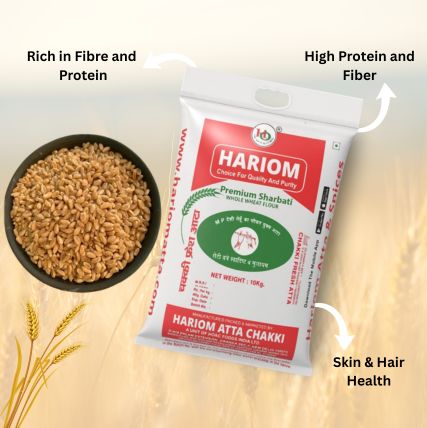
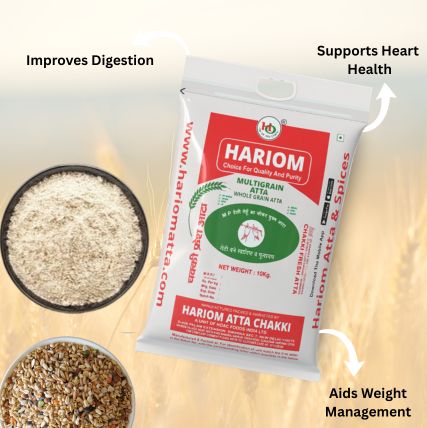
Hariom offers atta options for everyday Indian meals, including MP Sharbati Atta. You can explore the available Hariom atta products to find an option that suits your household.
Before purchasing, check the product description, ingredients, pack size, storage instructions and availability on the official website.
Choose quality ingredients, store them properly and follow consistent dough-making techniques to enjoy satisfying homemade rotis.
Frequently Asked Questions
1. How can I identify fresh atta at home?
Check its aroma, texture, packaging details and storage condition. Fresh atta generally has a mild wheat-like smell and should not show signs of moisture, mould or contamination.
2. Which atta is best for soft rotis?
The best atta depends on wheat variety, flour composition, water absorption and cooking technique. Choose good-quality whole wheat atta and prepare a soft, well-kneaded dough.
3. How should I store fresh atta?
Keep atta in a clean, airtight, moisture-free container in a cool, dry place away from direct sunlight and heat.
4. How long does atta stay fresh?
Its usable storage life depends on the flour, packaging, temperature, humidity and handling. Follow the package's best-before date and storage instructions, and check the flour for changes in smell, appearance or condition.
5. Does chakki atta make softer rotis?
Chakki atta can make excellent rotis, but softness depends on the wheat variety, milling characteristics, water absorption, dough resting time and cooking method. Stone grinding alone does not guarantee softer rotis.
6. Can I use atta that has been stored for a long time?
Only use it if it remains within the recommended storage period and shows no signs of spoilage or contamination. Discard flour with mould, a musty or rancid smell, insects or other suspicious changes.
7. Is fresh atta more nutritious than old atta?
Not necessarily. Nutritional value depends on the wheat, milling process and storage conditions. Freshness mainly relates to quality and condition; it does not automatically mean that the flour contains more nutrients.
8. Why do my rotis become hard even when I use good atta?
The dough may be too stiff, insufficiently rested, unevenly rolled or overcooked. Adjust the water gradually, knead well, allow the dough to rest and avoid cooking the rotis for too long.
9. Can atta be stored in the refrigerator?
Yes, refrigeration may be useful in warm or humid conditions when the flour is kept in an airtight, moisture-proof container. Prevent condensation and follow the product's storage instructions.
10. Where can I buy good-quality atta online?
Fresh atta is best selected by considering its quality, packaging, storage history and suitability for your everyday cooking. Store the flour in dry, airtight conditions, prepare the dough properly and avoid overcooking rotis for better results.
By making informed choices about wheat flour and following consistent cooking practices, you can make everyday meals more enjoyable for your family.