What Is Multigrain Flour?
Multigrain flour is a flour blend made by combining wheat with other grains, millets, lentils and seeds such as ragi, jowar, bajra, oats, soybean, chana and flax.
Compared to plain wheat flour, it gives you more fiber, more plant protein and a wider range of minerals in the same everyday food. In India it is sold as multigrain atta, mixed grain flour or whole grain flour. A well made blend keeps wheat as the majority grain, usually 60 to 70 percent, so the dough stays soft and foldable while the remaining 30 to 40 percent brings extra nutrition.
What Is Multigrain Flour Used For?
Multigrain flour is used for everyday Indian breads (roti, chapati, paratha, puri, thepla), breakfast dishes (cheela, dosa, pancakes), baking (bread, cookies, muffins), homemade pasta, traditional sweets and as a thickener for soups and gravies.
Here are all 15 uses in detail.
1. Multigrain Flour for Roti and Chapati
Multigrain flour can replace regular atta in the same quantity for roti and chapati. Knead with slightly warm water, rest the dough for 15 to 20 minutes, and roll a little thicker than usual. Cook on a medium flame. You get a nutty taste, more fiber and a roti that keeps you full for longer.
2. Multigrain Flour for Paratha
Multigrain flour makes excellent paratha because the denser dough holds stuffing well and turns crisp outside and soft inside. Aloo, gobi, paneer, methi and mooli all work. Keep the dough slightly softer than roti dough and cook on medium heat with a little ghee or oil.
3. Multigrain Flour for Puri
Puri made with multigrain flour is nuttier and slightly heavier than wheat puri. Add a spoon of semolina for crispness and keep the oil at a steady medium-high temperature so the puris puff properly.
4. Multigrain Flour for Thepla
Thepla is one of the best uses of multigrain flour because the dough is already spiced and stays soft for days. Mix the flour with methi leaves, curd, turmeric, chilli and sesame seeds. It is ideal for tiffins and travel.
5. Multigrain Flour for Cheela and Chilla
Multigrain flour cheela is a 10 minute, no-fermentation, high fiber breakfast. Mix the flour with water, chopped onion, tomato, coriander and spices into a smooth batter, then cook on a non-stick tawa like a pancake.
6. Multigrain Flour for Dosa and Idli Batter
Adding one or two cups of multigrain flour to regular dosa or idli batter increases its fiber content. You can also make instant dosa with multigrain flour, curd and water. It suits households managing blood sugar who still want South Indian breakfast.
7. Multigrain Flour for Bread
Replace 30 to 50 percent of plain flour with multigrain flour for a soft, rustic, filling homemade loaf. The flour absorbs more water, so add a little extra liquid and let the dough rise a bit longer.
8. Multigrain Flour for Cookies and Biscuits
Multigrain flour works well in oat cookies, jaggery cookies and savoury namak para style biscuits. It adds a crumbly, wholesome texture and brings fiber into a snack kids actually eat.
9. Multigrain Flour for Pancakes, Waffles and Muffins
Swap half the regular flour with multigrain flour in any pancake, waffle or muffin recipe. Pair it with banana, jaggery or honey for natural sweetness. It is one of the easiest ways to introduce multigrain flour to children.
10. Multigrain Flour for Homemade Pasta and Noodles
Multigrain flour pasta is more filling and higher in fiber than refined flour pasta. Knead a stiff dough, rest it, roll it out and cut it to shape. It cooks quickly and pairs well with vegetables and light sauces.
11. Multigrain Flour for Laddoo, Halwa and Sheera
Roast multigrain flour in ghee until fragrant, then add jaggery and dry fruits for laddoo, halwa or sheera. These traditional sweets become more nourishing and are popular at festivals.
12. Multigrain Flour as a Thickener
A spoon of roasted multigrain flour adds body and nutrition to soups, kadhi and vegetable gravies. Mix it with cold water first to avoid lumps, then add slowly while stirring.
13. Multigrain Flour for Crispy Coating and Snacks
Multigrain flour gives a crunchier, more flavourful coating than plain flour for pakoras, cutlets and tikkis. It also works well in baked or air-fried snacks.
14. Multigrain Flour for Kids’ Tiffin
Start with a 50:50 mix of multigrain and regular flour so children adjust to the taste slowly. Mini parathas, vegetable rolls, cheese stuffed rotis and multigrain mathri are all easy tiffin options.
15. Multigrain Flour for Health-Focused Diets
Multigrain flour suits diabetic-friendly, weight-conscious and digestion-focused diets because its added fiber slows digestion and its protein keeps hunger away. It is not a cure for any condition, but replacing refined flour with it is a simple, sustainable change. People with medical conditions should follow their doctor’s or dietician’s advice.
How to Make Soft Multigrain Roti (Step by Step)
- Take 2 cups of multigrain flour and a pinch of salt.
- Add slightly warm water gradually and knead into a soft, smooth dough.
- Cover and rest for 15 to 20 minutes.
- Divide into equal balls and roll slightly thicker than a wheat roti.
- Cook on a hot tawa on medium flame until brown spots appear.
- Puff on direct flame and finish with a little ghee.
Multigrain Flour vs Wheat Flour: Quick Comparison
| Factor | Multigrain Flour | Wheat Flour |
|---|---|---|
| Main ingredients | Wheat plus ragi, jowar, bajra, oats, soybean, chana, flax | Wheat only |
| Fiber | Higher | Moderate |
| Protein | Higher (soybean, chana) | Moderate |
| Minerals | Wider range (ragi, bajra) | More limited |
| Softness | Slightly denser | Softer |
| Water needed | A little more | Standard |
| Gluten free | No | No |
| Best for | Daily health-focused cooking | Very soft rotis, delicate dishes |
Multigrain Flour vs Other Flours
- Vs ragi flour: Ragi flour is single grain and gluten free, so it cannot form a foldable roti on its own. Multigrain flour includes ragi while keeping wheat for texture.
- Vs besan: Besan is made only from chana and suits pakoras and dhokla. Multigrain flour includes some chana but is built for daily roti.
- Vs oats flour: Oats flour is single grain. Multigrain blends often include oats as one part of a broader mix.
- Vs gluten free flour: If you must avoid gluten, choose a wheat-free blend, not multigrain flour.
Tips for Cooking With Multigrain Flour
- Knead with slightly warm water so the grains hydrate evenly.
- Rest the dough for at least 15 minutes.
- Roll thicker than wheat roti to prevent cracking.
- Cook on a medium flame so the denser flour cooks through.
- Store in an airtight container away from heat, light and moisture.
How to Choose the Best Multigrain Flour
The best multigrain flour lists wheat first, followed by a genuine spread of other grains and lentils, and is freshly stone ground.
- Ingredient list: Avoid blends with only a token 2 to 3 percent of other grains.
- Grain variety: Look for ragi, jowar, bajra, oats, soy and chana.
- Freshness: Check the packing date. Oils in flax and oats degrade over time.
- Milling: Stone ground (chakki) flour retains more flavour and nutrition.
- Price: Compare multigrain flour price per kilo across 1 kg, 5 kg and 10 kg packs.
Buy Multigrain Flour Online
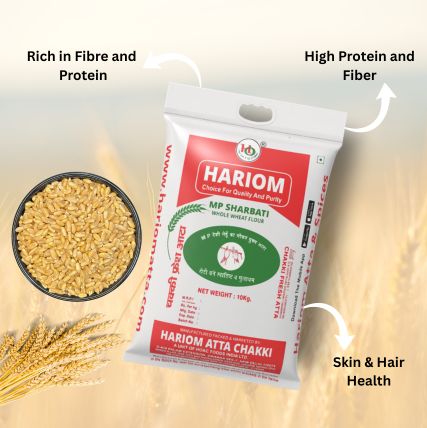
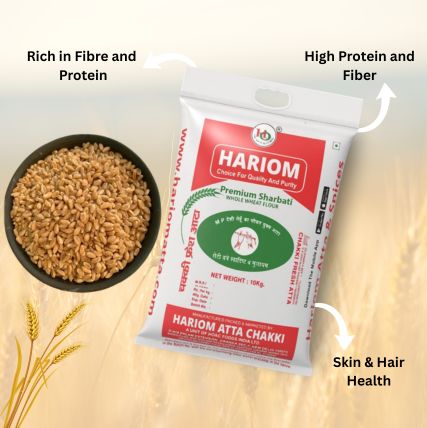
Hariom Multigrain Atta, from Hariom Atta & Spices (HOAC Foods India Limited), is stone ground in small, fresh batches with a balanced blend made for daily cooking. It is available in 1 kg, 5 kg and 10 kg packs. You can buy multigrain flour online directly at hariomatta.com and have it delivered fresh to your home.
Frequently Asked Questions
What are the main uses of multigrain flour?
Multigrain flour is used for roti, chapati, paratha, puri, thepla, cheela, dosa, bread, cookies, pancakes, homemade pasta, sweets like laddoo and halwa, and as a thickener in soups and gravies.
Can I use multigrain flour instead of wheat flour in every recipe?
In most Indian recipes, yes, in the same quantity. For baking, replace 30 to 50 percent of the flour at first, then adjust to taste and texture.
Is multigrain flour good for weight loss?
The higher fiber and protein keep you full for longer, which can help you eat less overall. It works best as part of a balanced diet and regular activity.
Is multigrain flour good for diabetics?
It digests more slowly than plain wheat flour, so it is a better everyday choice than refined flour. Portion size and the rest of the meal still matter, and a doctor or dietician should guide any medical diet.
Why does multigrain roti turn hard?
Usually because the dough was too dry, not rested, or rolled too thin. Use warm water, rest the dough for 15 to 20 minutes and roll slightly thicker.
Is multigrain flour gluten free?
No. Wheat is the main ingredient in multigrain flour, so it contains gluten.
How long does multigrain flour last?
Two to three months in an airtight container, away from heat and moisture. It is slightly shorter than plain wheat flour because of the natural oils in oats and flax.
Can I make bread with multigrain flour?
Yes. Replace 30 to 50 percent of plain flour with multigrain flour, add a little extra water and allow a longer rise.
Is multigrain flour good for kids?
Yes. Start with a 50:50 mix with regular flour so children adjust to the taste. Consult a doctor or pediatrician for specific dietary needs.
What is the difference between multigrain flour and mixed grain flour?
The terms are often used interchangeably. Mixed grain flour sometimes means a simpler blend of two or three grains, while multigrain flour often has seven or more. Always check the ingredient list.
Can I eat multigrain flour every day?
Yes. Most households replace their regular flour with it entirely, since it is a like-for-like swap and not a supplement.
Where can I buy multigrain flour online?
You can buy Hariom Multigrain Atta in 1 kg, 5 kg and 10 kg packs at hariomatta.com.