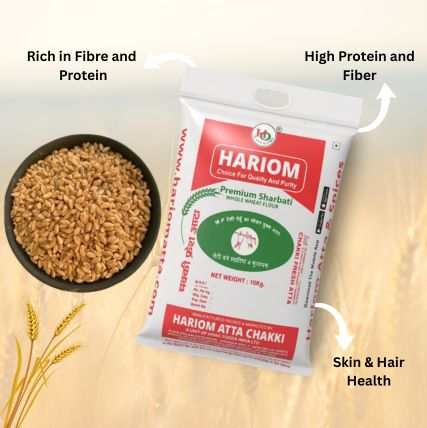
If you are looking for an alternative to regular wheat flour, Khapli Atta is an ancient grain flour that has gained attention among people who prefer traditional grains and whole-grain foods. Also known as Emmer Wheat, Khapli wheat is an older variety of wheat that can be used to prepare rotis, chapatis, parathas, and other homemade recipes.
In this guide, we will understand what Khapli wheat is, what Khapli Wheat Benefits are commonly associated with, and how Khapli Wheat Flour can be used in everyday cooking.
What Is Khapli Atta?
Khapli Atta is flour made from Khapli wheat, a traditional variety of wheat also known as Emmer Wheat. It is commonly associated with traditional Indian grain varieties and is used to make flour for everyday cooking.
Khapli wheat is different from the commonly available modern wheat varieties in terms of its grain characteristics and flour properties.
Khapli Wheat Flour can be used for:
-
Roti
-
Chapati
-
Paratha
-
Bhakri
-
Thepla
-
Other homemade wheat-based recipes
If you enjoy experimenting with traditional grains, Khapli Atta can be an interesting addition to your kitchen.
What Is Emmer Wheat?
Emmer Wheat is an ancient type of wheat that has been cultivated for thousands of years. Khapli wheat is commonly known as Emmer wheat in India.
Compared with modern wheat varieties, Emmer wheat has its own distinct grain characteristics and is often chosen by consumers interested in traditional grains.
When processed into flour, Emmer Wheat can be used as Khapli Wheat Flour for a variety of traditional recipes.
What Makes Khapli Wheat Different?
One of the reasons people choose Khapli wheat is its connection with traditional grain varieties.
Depending on how it is processed, Khapli wheat can be milled into whole-grain flour containing different naturally occurring components of the wheat grain.
The final characteristics of Khapli Atta can vary depending on the wheat source, milling method, and processing technique.
For this reason, it is useful to check the product information before purchasing Khapli Wheat Flour.
Khapli Wheat Benefits
There is growing interest in Khapli Wheat Benefits, particularly among consumers looking for traditional whole grains.
Here are some commonly discussed characteristics of Khapli wheat:
1. A Traditional Wheat Variety
Khapli wheat is an older wheat variety and is often selected by people who want to include traditional grains in their diet.
2. Source of Dietary Fiber
Whole-grain wheat contains dietary fiber. When Khapli wheat is processed as a whole-grain flour, it can contribute fiber to the overall diet.
The exact nutritional value depends on the variety and processing method.
3. Contains Naturally Occurring Nutrients
Whole wheat naturally contains nutrients such as carbohydrates, protein, minerals, and other components. Khapli wheat flour can contribute these nutrients as part of a balanced diet.
4. Versatile for Everyday Recipes
Khapli Atta can be used in many traditional Indian recipes. You can use it to prepare rotis, chapatis, parathas, and other wheat-based foods.
5. Suitable for People Exploring Ancient Grains
Consumers interested in ancient grains and traditional wheat varieties may choose Emmer wheat as one option for their kitchen.
Khapli Atta vs Regular Wheat Atta
Khapli Atta and regular wheat atta can both be used for everyday cooking, but they come from different wheat varieties.
| Feature | Khapli Atta | Regular Wheat Atta |
|---|---|---|
| Wheat variety | Khapli / Emmer Wheat | Depends on product |
| Grain type | Traditional wheat variety | Modern/common wheat varieties |
| Flour | Khapli Wheat Flour | Wheat flour |
| Uses | Roti, chapati, paratha, etc. | Roti, chapati, paratha, etc. |
| Taste & texture | Can vary by variety and milling | Varies by wheat and brand |
The choice depends on your taste, cooking preferences, and interest in different wheat varieties.
How to Use Khapli Wheat Flour
Using Khapli Wheat Flour in your kitchen is simple. It can be used in recipes where wheat flour is normally used.
Khapli Atta Roti
To make Khapli wheat roti:
-
Take the required amount of Khapli Atta.
-
Gradually add water.
-
Knead the dough until it reaches the desired consistency.
-
Let the dough rest for a short period.
-
Divide the dough into small portions.
-
Roll each portion into a roti.
-
Cook on a hot tawa until properly cooked.
The amount of water required can vary depending on the flour and its milling characteristics.
How to Choose Good Khapli Atta
When buying Khapli Atta, consider the following factors:
Check the Wheat Source
Look for clear information about the wheat variety and source.
Check the Milling Process
If you prefer traditionally processed flour, check whether the product is stone-ground or processed using another milling method.
Check the Ingredients
For a single-grain flour, the ingredient list should clearly identify the wheat used.
Check Packaging
Good packaging should protect the flour from moisture and contamination.
Check Storage Instructions
Always follow the manufacturer's storage instructions after opening the flour.
Buy Khapli Atta Online
With online grocery shopping becoming more common, you can also buy Khapli Atta online and have it delivered to your home.
Before purchasing, compare:
-
Wheat variety
-
Flour type
-
Pack size
-
Milling process
-
Product information
-
Price
-
Delivery availability
-
Storage instructions
Choosing a reliable supplier can make it easier to add traditional grains such as Emmer wheat to your everyday kitchen.
How to Store Khapli Wheat Flour
Proper storage is important for maintaining the quality of flour.
Follow these simple tips:
-
Store Khapli Wheat Flour in an airtight container.
-
Keep it in a cool and dry place.
-
Protect it from moisture.
-
Avoid direct sunlight.
-
Use a clean, dry spoon.
-
Follow the storage instructions on the package.
If you purchase larger quantities, pay particular attention to the recommended storage conditions.
Is Khapli Atta Right for You?
Khapli Atta can be an option for people who want to explore traditional wheat varieties and include different whole grains in their meals.
However, no single flour is suitable for everyone. Your choice should depend on your dietary requirements, cooking preferences, taste, and the nutritional characteristics of the specific product you purchase.
If you have a medical condition or specific dietary requirement, consult a qualified healthcare professional or dietitian before making major dietary changes.