Protein Rich Foods for Diabetes: The Complete Low-GI Guide
If you or a family member is managing diabetes, adding the right protein rich foods to your daily meals can make a bigger difference to blood sugar control than almost any other single food swap. Protein slows digestion, keeps you full, and softens the sugar rise from the roti or rice on your plate. This guide breaks down exactly which protein rich foods are diabetes-friendly, why, and how to use them in everyday Indian meals, including high-protein atta for your daily rotis, backed by glycemic index data and practical kitchen tips.
Why Protein Rich Foods Matter for Diabetes
A typical Indian thali is heavy on carbohydrates (roti, rice, potatoes) and light on protein. Because carbohydrate-heavy meals are eaten two to three times a day, even small improvements in protein intake add up to a large impact on daily blood sugar swings. Choosing protein rich foods with a low glycemic index and good fiber helps:
- Slow down glucose release into the bloodstream
- Reduce post-meal (postprandial) sugar spikes
- Increase satiety and reduce cravings between meals
- Support muscle mass and healthy weight management
What Is Glycemic Index (GI) and Why It Matters
Glycemic Index ranks carbohydrate-containing foods on a 0–100 scale based on how quickly they raise blood glucose after eating:
- Low GI: 55 or below
- Medium GI: 56–69
- High GI: 70 and above
For diabetes, low-to-medium GI foods are generally preferred because they cause a slower, more gradual rise in blood sugar rather than a sharp spike. Foods like eggs, paneer, fish, and chicken contain almost no carbohydrate, so they have a negligible GI. It is also worth noting that Glycemic Load (GL), which factors in portion size along with GI, gives an even more practical picture. A food can have a moderate GI but still spike sugar significantly if eaten in large quantities.
Best Protein Rich Foods for Diabetes
1. Soya Chunks (Soy Granules): About 52 g protein per 100 g (dry), GI ~15–20
Soya chunks are one of the highest-protein vegetarian foods available in India and have a very low glycemic index. They are also a good source of fiber and iron. Soak them well, squeeze out the water, and cook in curries, pulao, or tikka rather than deep frying. Enjoy them in moderation as part of a varied diet.
2. Moong Dal: About 24 g protein per 100 g (dry), GI ~25–38
Moong dal, whole or split, is high in protein and fiber and easy to digest. It works well as dal, cheela, or khichdi and is one of the most recommended dals for diabetes.
3. Chana, Chana Dal, and Rajma: About 20–22 g protein per 100 g (dry), GI ~28–35
Chickpeas, chana dal, and other legumes are rich in protein and soluble fiber, both of which slow digestion and blunt sugar spikes. Roasted chana makes a handy high-protein snack.
4. Paneer, Curd, and Greek Yogurt: About 18 g protein per 100 g (paneer), negligible GI
Dairy-based proteins contain very little carbohydrate. Paneer is filling and works well in bhurji or grilled dishes. Plain curd and Greek yogurt add protein and probiotics. Choose plain, unsweetened versions only.
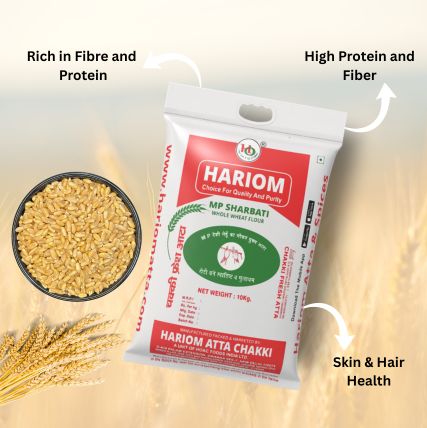
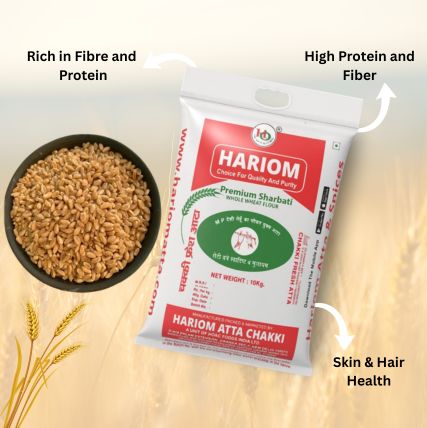
5. High-Protein Atta (Besan, Soya, Chana Blends) and Sattu: About 12–22 g protein per 100 g, GI ~35–50
Atta blended with besan, soya, or chana has more protein and fiber than plain wheat atta, and it is the easiest way to raise protein in everyday rotis. Besan and sattu are chickpea-based, with about 20–22 g protein per 100 g and a low GI. Mix a few spoons into your regular atta for rotis, use besan for chillas, or drink sattu plain.
6. Nuts and Seeds (Peanuts, Almonds, Pumpkin, Chia): About 17–30 g protein per 100 g, low GI
Nuts and seeds add protein, healthy fats, and fiber. They are calorie-dense, so a small handful a day is enough.
How to Make a High-Protein Atta Roti at Home
You do not need a special recipe. A simple swap in your regular dough raises protein and fiber in every roti:
- Take your regular whole wheat or multigrain atta as the base.
- Mix in besan, chana atta, soya flour, or sattu. A common starting point is about 4 parts atta to 1 part besan or sattu.
- Add finely chopped methi, spinach, or grated lauki for extra fiber.
- Knead with warm water, rest the dough for 15 to 20 minutes, and cook on a tawa with little or no oil.
- Serve with dal, curd, paneer, or a sabzi to keep the meal balanced.
Start with a small portion of the added flour and adjust to your taste and texture. Your doctor or dietitian can advise the right quantity for you.
Protein Rich Foods Comparison Chart
| Food | Approx. Protein per 100 g | Approx. GI | Diabetes Suitability |
|---|---|---|---|
| Soya chunks (dry) | ~52 g | 15–20 | Excellent |
| Moong dal (dry) | ~24 g | 25–38 | Excellent |
| Chana / chana dal / rajma (dry) | 20–22 g | 28–35 | Excellent |
| Besan / sattu / high-protein atta blends | 12–22 g | 35–50 | Excellent |
| Paneer | ~18 g | Negligible | Excellent |
| Eggs | ~13 g | Negligible | Excellent |
| Chicken / fish (cooked) | 20–31 g | Negligible | Excellent |
| Nuts and seeds | 17–30 g | Low | Very Good, in moderation |
| Protein powders with added sugar | Varies | Often high | Avoid |
Protein and GI values are approximate and vary by variety, brand, and cooking method. Protein figures for pulses and soya are for dry weight, so cooked portions contain less. They are not tested values for any specific product.
Compare Products Mentioned in This Guide
Browse by food type. This list is not a medical ranking or a claim about any product's tested GI or protein content. Check the product details before choosing.
- High-Protein Atta (Type: Multigrain and protein-enriched atta)
- Soya Chunks (Type: Textured soy protein)
- Moong Dal (Type: Split green gram)
- Chana Dal (Type: Split Bengal gram)
- Besan (Type: Chickpea flour)
- Sattu (Type: Roasted gram flour)
- Peanuts and Almonds (Type: Nuts)
- Pumpkin and Chia Seeds (Type: Seeds)
Tips to Add Protein and Lower the Glycemic Load of Any Meal
- Pair with protein and fat: Eating roti or rice with dal, paneer, curd, or eggs slows overall glucose absorption.
- Spread protein through the day: Add a source to breakfast, lunch, snack, and dinner rather than loading it all at one meal.
- Add legumes to the dough: Choose a high-protein atta, such as multigrain atta or atta blended with besan, soya, or chana, or mix besan or sattu into your regular atta to raise protein and fiber in every roti.
- Go easy on frying: Grill, bake, steam, or sauté rather than deep fry, and avoid heavy cream gravies.
- Watch portion size: Even healthy protein foods are calorie-dense, so portion control still matters.
- Avoid sugary protein products: Many bars, shakes, and flavoured powders contain added sugar. Read the label.
Frequently Asked Questions
Q1. Which protein rich foods are best for diabetes? Soya chunks, moong dal, chana, paneer, eggs, besan, sattu, nuts, and lean chicken or fish are generally considered the best choices, as they are high in protein, low in glycemic index, and rich in fiber or healthy fats.
Q2. What are the best vegetarian protein rich foods in India? Soya chunks, moong dal, chana dal, rajma, paneer, curd, besan, sattu, peanuts, and seeds are among the best vegetarian options, and most are easily available.
Q3. Does protein raise blood sugar? Protein raises blood sugar much less than carbohydrate does. When eaten with carbohydrates, it helps slow the rise. Individual responses differ, so monitor your own readings.
Q4. How much protein does a diabetic need per day? It depends on your age, weight, activity, kidney health, and medicines. Many general guidelines suggest around 0.8 to 1 gram per kg of body weight, but ask your doctor or dietitian for your own target.
Q5. Is paneer good for diabetes? Yes, in moderation. Paneer is high in protein and low in carbohydrate. Choose homemade or low-fat paneer and cook it with minimal oil.
Q6. Are eggs good for sugar patients? Yes. Eggs contain almost no carbohydrate and are filling. Most people with diabetes can include them in a balanced diet, but check with your doctor if you have high cholesterol or heart disease.
Q7. Which atta is high in protein for diabetes? Multigrain atta and atta blended with besan, soya, or chana generally have more protein and fiber than plain whole wheat atta, which has roughly 10–12 g protein per 100 g. Check the label for ingredients and added sugar, and pair your rotis with dal, curd, or paneer.
Q8. Who should be careful with high protein diets? People with kidney disease or reduced kidney function should talk to their doctor before increasing protein. Increase intake gradually and drink enough water.