Whole Wheat Flour: Choosing the Right Atta for Everyday Rotis
There is something reassuring about a roti puffing up on the tawa. The kitchen fills with that familiar aroma, someone reaches for the ghee, and a simple meal feels complete. But when rotis turn out dry or become firm before lunchtime, it is worth looking at both the flour and the way the dough is prepared.
Whether you call it whole wheat flour, whole wheat atta, or simply everyday atta, understanding what you buy can make your kitchen routine easier. Here is a practical guide to choosing wheat flour, working with chakki atta and keeping it fresh at home.
What Is Whole Wheat Flour?
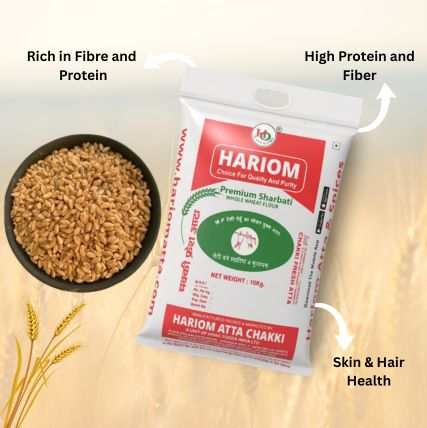
Whole wheat flour is made by grinding the entire wheat kernel, including the bran, germ and endosperm. These parts give the flour its characteristic wheat flavour and contribute to its texture.
In Indian kitchens, whole wheat atta is commonly used for rotis, chapatis, phulkas and parathas. It can also be used in homemade biscuits and other recipes, although the results depend on the flour’s texture and the recipe.
The words wheat flour alone do not always tell you whether a product contains the whole grain. Check the ingredient list and product description when you specifically want whole wheat flour.
Whole Wheat Atta and Chakki Atta: What Is the Difference?
These terms describe different aspects of the flour.
Whole wheat atta describes what is ground: the whole wheat kernel.
Chakki atta describes how the wheat is milled, traditionally using a stone mill.
A flour can therefore be both whole wheat atta and chakki atta. However, the word “chakki” by itself does not confirm the wheat variety, freshness or whether anything has been sifted out. Those details are worth checking separately.
For your everyday cooking, focus on the actual product information and how the atta performs in your kitchen.
How to Choose Wheat Flour for Your Home
Choosing atta does not have to be complicated. Start with a few practical checks.
Read the Ingredients
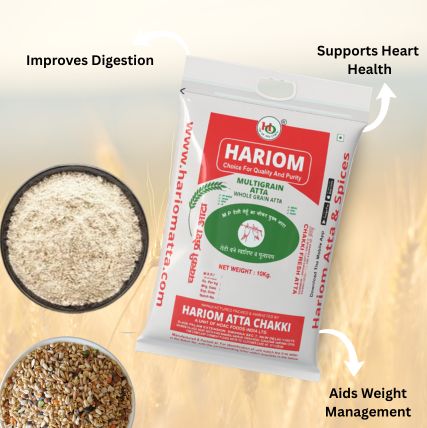
If you want plain whole wheat atta, look for a product that clearly identifies whole wheat as its ingredient. A multigrain flour is a different blend, so choose according to what you intend to cook.
Check the Packing Date
Look at the packing date, best-before information and storage instructions. Buy a quantity your household can comfortably use within the recommended period after opening.
Consider Your Favourite Recipes
Rotis, stuffed parathas and baking recipes can behave differently with the same flour. Begin with a small pack if you are trying a new wheat flour, then adjust the water gradually as you learn how it handles.
Look Beyond the Colour
Atta colour can vary with the wheat and milling process. Colour alone is not a reliable way to judge freshness or quality.
How to Make Soft Rotis with Whole Wheat Atta
Good flour matters, but the method matters too. Before changing your atta, try these small adjustments.
Add water gradually. Whole wheat flour can vary in how much water it absorbs. Work towards a soft, pliable dough rather than following a fixed quantity blindly.
Give the dough time to rest. Cover it and allow a short rest before rolling. This gives the flour time to absorb the water more evenly.
Use less dry flour while rolling. A light dusting helps prevent sticking. Too much can leave the surface dry.
Heat the tawa properly. A tawa that is too cool can make rotis cook slowly and lose moisture. Adjust the heat as you go.
Avoid prolonged cooking. Cook each roti until done, then move it off the heat. Repeatedly pressing or leaving it on the tawa longer than necessary can make it dry.
Keep cooked rotis covered. Place them in a clean cloth inside a covered container until serving.
If you pack rotis for lunch, let excess steam escape briefly before closing the box so condensation does not make them soggy.
How to Store Whole Wheat Flour
Store your atta in a clean, dry, airtight container, away from sunlight, heat and moisture. Keep it away from the stove, and always use a dry scoop.
Before adding a new batch, clean the container and allow it to dry completely. Avoid repeatedly topping up old flour with fresh flour.
In a warm or humid kitchen, buying smaller packs can make storage easier. Follow the instructions on the packaging, and do not use flour that has developed an unusual smell, visible mould or signs of infestation.
Bring Everyday Meals Together with Hariom Atta
From the first breakfast paratha to the last phulka at dinner, atta is part of the daily rhythm of an Indian home. Choosing the right flour starts with clear product information and a little attention to how your family likes its rotis.
Explore Hariom Atta & Spices’ atta range at hariomatta.com and choose a pack that suits your household. Pair your whole wheat atta with thoughtful storage and a simple dough routine to make everyday cooking more enjoyable.
Frequently Asked Questions
Are whole wheat flour and whole wheat atta the same?
In everyday Indian usage, they usually refer to flour made from the whole wheat kernel. However, grind and texture can vary between products, so check whether the flour is intended for rotis, baking or another use.
Is all wheat flour whole wheat?
No. “Wheat flour” is a broad term. Read the ingredient list and product description to confirm whether it is whole wheat flour.
Can chakki atta be whole wheat flour?
Yes. Chakki atta can be made by milling the whole wheat kernel. Check the product details to confirm its composition.
Why do my rotis become hard after cooking?
Common reasons include stiff dough, too much dry flour during rolling, prolonged cooking and leaving cooked rotis uncovered. Flour quality and storage can also affect the results.
Can I use whole wheat atta for parathas?
Yes. Whole wheat atta is commonly used for plain and stuffed parathas. Adjust the dough consistency to suit the filling and recipe.