Best Atta for Soft Rotis: How to Choose Fresh Chakki Atta for Everyday Use
Are you looking for the best atta for soft rotis? Choosing the right wheat flour can make a difference in the softness, texture, taste, and overall quality of your everyday chapatis. Fresh chakki atta, Sharbati wheat flour, and good-quality whole wheat flour are popular choices for Indian households.
In this guide, we explain how to choose the best atta for soft rotis, compare chakki fresh atta with packaged atta, understand Sharbati atta, and find the right wheat flour for your family's daily meals.
What Is the Best Atta for Soft Rotis?
The best atta for soft rotis is good-quality whole wheat flour with suitable protein content, good water absorption, and a fine, consistent texture. Fresh chakki atta and Sharbati wheat flour are options worth considering, although results depend on wheat quality, flour characteristics, dough preparation, and cooking technique.
For softer rotis, use fresh flour, knead the dough thoroughly, let it rest for 15–20 minutes, and cook the rotis on a properly heated tawa. Store the flour in an airtight container to help maintain its freshness.
Why Choose Chakki Fresh Atta?
Chakki fresh atta is wheat flour produced using a traditional flour-milling process. Many households prefer it for everyday chapatis because it offers a familiar wheat flavour and works well in traditional Indian cooking.
Here are some factors to consider when choosing fresh chakki atta:
-
Freshness: Check the milling or packaging date and buy from a supplier with good stock rotation.
-
Texture: Choose flour with a consistent texture suitable for your preferred roti style.
-
Wheat quality: Good-quality wheat contributes to the flour's flavour and baking performance.
-
Storage: Proper packaging and storage help protect flour from moisture, pests, and unwanted odours.
-
Consistency: Choose a reliable supplier that maintains consistent quality from one purchase to the next.
When comparing chakki fresh atta, look beyond the label. Wheat quality, milling conditions, freshness, and storage all matter.
Chakki Fresh Atta vs Packaged Atta: Which Is Better?
The choice between chakki fresh atta and packaged atta depends on your needs and the quality of the individual product.
| Factor | Fresh chakki atta | Packaged atta |
|---|---|---|
| Freshness | Depends on milling date and storage | Depends on manufacturing date and storage |
| Convenience | May be purchased from a local mill or supplier | Usually easy to store and buy in standard packs |
| Texture | Can vary with wheat and milling method | Varies by brand and product |
| Quality | Depends on wheat selection and milling practices | Depends on sourcing and quality controls |
| Best approach | Check freshness and consistency | Check ingredients, date, packaging, and brand reliability |
Neither option is automatically better in every situation. Compare the actual product, freshness, quality, price, and suitability for your cooking needs.
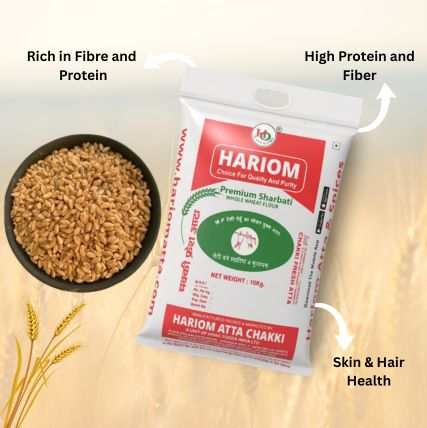
What Is Sharbati Atta?
Sharbati atta is flour made from Sharbati wheat, a wheat variety associated particularly with parts of Madhya Pradesh in India. It is often valued for its taste and suitability for traditional Indian flatbreads.
What Are the Benefits of Sharbati Wheat Flour?
People often choose Sharbati wheat flour for its characteristic flavour and roti-making qualities. However, its nutritional composition and performance depend on the specific wheat and milling process.
When purchasing Sharbati atta, consider:
-
The source and quality of the wheat
-
The freshness of the flour
-
The texture and suitability for your preferred chapatis
-
The ingredient label and packaging
-
The price per kilogram compared with other quality atta options
Sharbati Atta Price: What Should You Check?
The price of Sharbati atta varies according to the brand, wheat grade, processing method, package size, location, and delivery charges. Compare the price per kilogram rather than relying only on the total packet price.
If you are searching for Sharbati atta price or Sharbati wheat flour online, review the product details and seller information before ordering.
How to Make Soft Chapatis at Home
Even good-quality flour needs proper preparation. Follow these simple steps to make softer chapatis.
-
Measure the flour: Add the required quantity of atta to a mixing bowl.
-
Add water gradually: Mix and knead until the dough becomes soft and pliable.
-
Knead thoroughly: Work the dough until it becomes reasonably smooth.
-
Rest the dough: Cover and leave it for 15–20 minutes.
-
Roll evenly: Roll each portion to a consistent thickness.
-
Cook on a hot tawa: Turn the roti at the appropriate stages and avoid overcooking, which can make it dry.
-
Store correctly: Keep cooked rotis covered in a clean container or cloth to help retain moisture.
Why Do Rotis Become Hard?
Rotis can become hard when the dough is too dry, the dough has not rested sufficiently, the rotis are rolled unevenly, or they are cooked for too long. Leaving cooked rotis uncovered can also cause moisture loss.
To improve softness, adjust the water gradually, allow the dough to rest, cook the rotis without over-drying them, and keep them covered after cooking.
How to Choose the Best Atta for Daily Use
If you are comparing the best atta brands in India, use the following checklist rather than relying only on advertising claims.
-
Ingredients: Check whether the product is whole wheat atta and review any additional ingredients.
-
Freshness: Look for the manufacturing or milling date and best-before information.
-
Texture: Choose a flour that works well with your family's preferred roti thickness and texture.
-
Packaging: Ensure the pack is properly sealed and stored in suitable conditions.
-
Price: Compare the price per kilogram and delivery costs.
-
Availability: Consider whether the supplier can provide consistent quality and convenient repeat purchases.
The best atta for everyday roti is the one that meets your household's needs for quality, flavour, convenience, and value.
Best Atta for Daily Use: Why Quality Matters
Atta is a staple in many Indian households, so consistency matters. Good-quality whole wheat flour can support everyday cooking, from chapatis and phulkas to parathas and other traditional recipes.
When choosing flour, focus on product quality and suitability rather than assuming that a higher price automatically means better results. A reliable supplier, appropriate storage, and correct dough preparation all contribute to a better roti-making experience.
Where Can You Buy Chakki Fresh Atta?
If you want to buy chakki atta online or find fresh atta near you, compare local flour mills and trusted packaged-flour suppliers. Check product specifications, pack sizes, freshness information, delivery availability, and customer reviews before placing an order.
Hari Om Atta Chaki aims to serve customers looking for atta for everyday Indian cooking. Explore the available HOAC products and select the flour that best suits your household's needs.
Looking for fresh chakki atta? Contact Hari Om Atta Chaki to learn about available products, pack sizes, and purchasing options.
Frequently Asked Questions
1. Which atta is best for soft rotis?
Good-quality whole wheat flour with suitable protein content and water absorption can make soft rotis. Fresh chakki atta and Sharbati atta are options to compare, but dough preparation and cooking also affect softness.
2. Is chakki fresh atta better than packaged atta?
Not always. Both can produce good rotis. Compare wheat quality, freshness, texture, packaging, and consistency before choosing.
3. What is Sharbati atta?
Sharbati atta is flour made from Sharbati wheat, a wheat variety associated with parts of Madhya Pradesh. It is commonly used for traditional Indian flatbreads.
4. What affects the price of Sharbati atta?
The price depends on wheat quality, sourcing, processing, brand, package size, location, and delivery charges.
5. How can I keep rotis soft for longer?
Cook the rotis without over-drying them and keep them covered in a clean container or cloth after cooking. Avoid leaving them exposed to air for long periods.
6. Where can I buy fresh chakki atta?
You can check local flour mills and trusted online suppliers. Confirm the product details, freshness, price, and delivery availability before ordering.
7. How should atta be stored?
Store atta in a clean, dry, airtight container away from moisture, heat, and strong odours. Follow the product's storage instructions.
8. Is Sharbati atta suitable for everyday use?
It can be used for everyday chapatis if you like its flavour and texture. Choose a product that suits your cooking preferences and budget.