The Kitchen Test Every Indian Home knows
Go inside an Indian kitchen when people are making rotis and the question that follows will be "Yeh atta fresh hai na?" The reason is that stale atta does not have its oil content anymore, tastes bitter, and never inflates to form a soft and round roti regardless of how perfectly you knead the dough. On the contrary, fresh atta in the hands feels differently; soft, fragrant and smells like wheat itself.
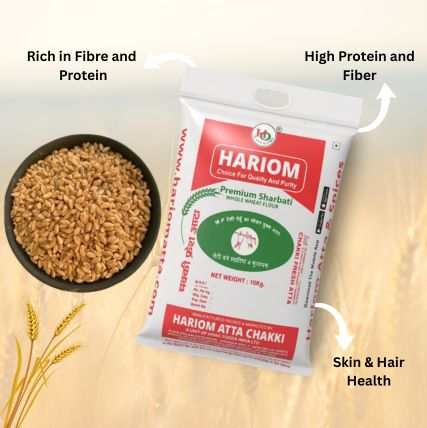
When atta is freshly milled and stored, it will have its nutrient content along with softness for roti making. That's the reason why "fresh atta" and "soft roti atta" are one and the same in most cases. Attas milled by using stone grinding (chakki), using Sharbati wheat are known to be the best attas in India in order to make soft rotis due to less gluten content and moisture retention property of the grains.
What Really Makes Atta "Fresh"
There are three key factors that determine the freshness of atta:
1. Recent milling - Atta which has been milled just a few days before its purchase contains more moisture content and wheat oil as compared to atta milled several months ago.
2. Whole grain, unprocessed - Fresh atta, in its natural form, contains bran, germ and endosperm of wheat whereas refined flour loses all nutrients for extended shelf-life.
3. Proper storage - Even freshly milled atta should be stored in an airtight jar in a dry and cool place to make it softer for a long time.
At Hariom Atta & Spices, the wheat is procured directly from the wheat belts of Madhya Pradesh and ground in traditional chakki method - same as authentic Indian atta used in India since decades ago.
What Makes Sharbati Wheat Atta the Best for Soft Roti?
Different kinds of wheat have different qualities, and that is what makes Sharbati wheat atta unique. This type of wheat is grown mainly in the Sehore-Vidisha region of Madhya Pradesh and has:
Protein content and gluten ratio — makes the dough elastic but not hard
Golden color of the grains — a natural indicator of quality
Naturally sweet taste — no additives required
Moisture-retentive property — the main factor which makes Sharbati atta rotis soft even after many hours
These characteristics explain the premium price of Sharbati atta — it is not just a marketing trick, it is a real agricultural advantage that can be seen in each roti.
Whole Wheat Atta vs. Regular Atta: What's the Real DifferenceThe term “whole wheat atta” implies that the entire wheat kernel – its bran, germ, and endosperm – is crushed without any removal. That is in contrast with refined atta or maida where the bran – which contains fiber – and the germ are stripped out, leaving only starch.
By choosing 100% whole wheat atta, you get:
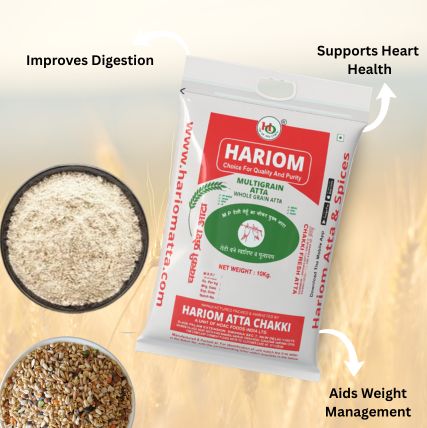
More fiber for proper digestion and sustained energy levels
More vitamins and minerals from the germ of the grain
Lower glycemic effect than refined flour – good for blood sugar control
True taste and texture of authentic wheat, rather than of starch
Key Benefits of Natural Fresh Atta
- Softer rotis, every single time — no rubbery or dry texture
- Better digestion — natural fiber content supports gut health
- No additives or bleaching agents — just pure, stone-ground wheat
- Longer-lasting energy — complex carbs release slowly, unlike refined flour
- Authentic aroma and taste — the way home-style atta is meant to taste
Who Should Choose Fresh, Natural Atta
- Families making roti daily who want consistently soft results without extra kneading effort
- Health-conscious households looking to cut down on refined flour and processed additives
- People managing weight or blood sugar who benefit from whole grain fiber
- Anyone who has struggled with dry, hard rotis from stale or low-quality packaged atta
- Joint families and bulk buyers who need atta that stays fresh through the month, not just the first week
Fresh Atta Price: What You're Really Paying For
Fresh atta price varies based on wheat variety, milling process, and pack size. Premium stone-ground Sharbati wheat atta is typically priced higher than standard roller-mill atta — and for good reason. You're paying for better wheat sourcing, traditional chakki grinding that preserves nutrients, and stricter quality control, not just flour in a bag. When comparing fresh atta prices, it helps to check:
- The wheat variety used (Sharbati vs. mixed/standard wheat)
- Whether it's stone-ground (chakki) or roller-milled
- Pack size — larger packs (5kg, 10kg) usually offer better value per kg
- Milling date or "best before," where mentioned
Hariom Atta & Spices offers Sharbati whole wheat atta in multiple pack sizes, so you can choose based on your family's consumption without compromising on freshness.
Frequently Asked Questions
1.What is fresh atta, and why does it matter?
Fresh atta refers to recently milled whole wheat flour that hasn't sat in storage long enough to lose its natural oils and moisture. It matters because fresher atta makes softer, more flavorful roti and retains more nutrients.
2. Which atta is best for soft roti?
Stone-ground (chakki) Sharbati wheat atta is widely regarded as the best choice for soft roti, thanks to its natural gluten balance and higher moisture retention.
3. Is whole wheat atta healthier than regular atta?
Yes. Whole wheat atta retains the bran and germ of the wheat kernel, offering more fiber, vitamins, and minerals compared to refined atta or maida.
4. How can I keep atta fresh for longer at home?
Store atta in an airtight container in a cool, dry place away from sunlight and moisture. Avoid buying more than a month's supply at a time if possible.
5. Why is Sharbati atta priced higher than regular atta?
Sharbati wheat has superior grain quality, better taste, and higher nutritional value, which naturally places it at a premium compared to standard wheat varieties.
6. What is the ideal fresh atta price range to expect?
Prices vary by brand, pack size, and wheat variety, but premium stone-ground Sharbati atta generally costs more than mass-produced roller-mill atta due to better sourcing and processing.