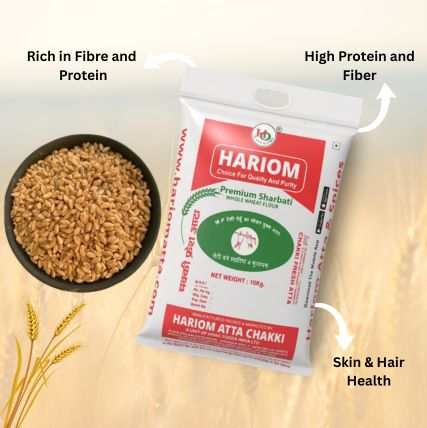
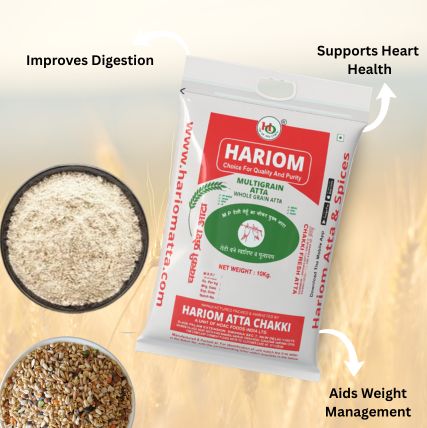
MP Sharbati wheat is not just another breed of wheat. MP Sharbati wheat is considered to be the best wheat produced in India, and that is true for many reasons. MP Sharbati wheat comes from the Sehore-Vidisha-Ashoknagar belt of Madhya Pradesh, and it is known for its legendary reputation, which is why MP Sharbati wheat makes the base of our premium atta range.
What Makes MP Sharbati Wheat Different
The wheat variety known as MP Sharbati is cultivated in a distinctive black soil belt in Madhya Pradesh that imparts a golden color, naturally sweet flavor, and increased protein content to it compared to the regular wheat strains. The name 'Sharbati' is said to be derived from the city of Sehore, formerly named 'Sharbati' because of the sweet nature of their agricultural output. That is precisely why MP Sharbati wheat fetches premium prices at Indian mandis – people specifically look for MP Sharbati wheat over other types.
Quoteable fact: MP Sharbati wheat usually has increased gluten strength compared to average wheat strains in India, and hence is suitable for making soft and elastic rotis and parathas.
The Growing Story of MP Sharbati Wheat
The cultivation of MP Sharbati wheat takes place mainly in the districts of Sehore, Vidisha, and Ashoknagar of Madhya Pradesh, which offers ideal black cotton soil conditions and environment conducive to growing the distinctive gold colored grains and size of this particular variety of wheat. The farmers of this region have been cultivating MP Sharbati wheat for several decades now and the fame of MP Sharbati wheat has been such that "MP Sharbati wheat" has come to be considered a brand name in the entire Indian wheat market.
At Hariom Atta & Spices, our procurement experts source grain of the best quality from the farmers of this MP Sharbati wheat belt before it is ground using our traditional method through chakki.
Nutritional Profile of MP Sharbati Wheat
MP Sharbati wheat is prized nutritionally as much as it is prized culinarily:
- Higher protein content — MP Sharbati wheat generally tests higher in protein than common wheat, supporting better dough elasticity and roti texture
- Rich in dietary fiber — whole grain MP Sharbati wheat retains bran and germ for digestive health
- Natural sweetness, no additives — the characteristic taste of MP Sharbati wheat comes from the grain itself, not processing
- Lower moisture, longer natural shelf stability — the growing conditions of MP Sharbati wheat give it grain density that holds up well in storage.
Why MP Sharbati Wheat Makes Superior Atta
As opposed to using roller-mill technique in the processing of MP Sharbati wheat, stone grinding produces atta that produces soft and fluffy rotis, which have a sweet aroma naturally. Chefs in India prefer the use of MP Sharbati wheat for making atta since ordinary wheat cannot produce such texture and taste. If you have had soft rotis before, you can be sure that they were made of MP Sharbati wheat.
Who Should Choose MP Sharbati Wheat Atta
The atta made out of MP Sharbati wheat is well-suited for consumers who place their top priority on having excellent-quality rotis and also those restaurants or caterers who require good, consistent results. Moreover, those who compare different types of wheat must be able to figure out why MP Sharbati wheat commands such a high price in the market – the reason is in the soil.
FAQs About MP Sharbati Wheat
Q: What makes MP Sharbati wheat different from regular wheat? A: MP Sharbati wheat is grown in specific black-soil districts of Madhya Pradesh, giving it a golden color, higher protein, and naturally sweeter taste compared to standard wheat varieties.
Q: Is MP Sharbati wheat more expensive than other wheat? A: Yes, MP Sharbati wheat typically commands a premium in mandis due to its superior grain quality, limited growing region, and high demand from atta producers and consumers.
Q: Which districts in Madhya Pradesh grow the best Sharbati wheat? A: Sehore, Vidisha, and Ashoknagar are the traditional heartland districts for MP Sharbati wheat, known for the black cotton soil that gives the grain its signature qualities.
Q: Does MP Sharbati wheat make better rotis than regular wheat? A: Most cooks find MP Sharbati wheat produces softer, more elastic dough due to its higher gluten strength, resulting in rotis that stay soft for longer.