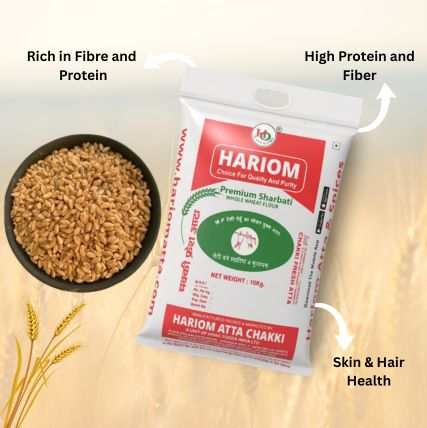
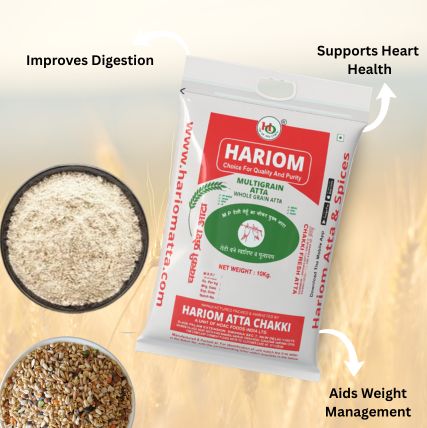
Enter any traditional Indian kitchen from the previous generation and the atta would have been freshly ground almost weekly, even every couple of days at the local chakki. Flour could never have sat idly in storage for months and years. This is not about being fancy and pampered – fresh-ground flour is the traditional norm.
Somewhere along the way, the trend of commercial packaged flour changed all this. Flour bags spent weeks in storage before even hitting the shelves, and freshness became a secondary thought. We at Hariom Atta & Spices are here to turn the clock back, because fresh ground wheat atta is not just tastier but actually healthier.
Freshly ground flour contains many times more of natural oils and aroma components, as well as nutrients, compared to the flour which has spent a lot of time in storage – and it is the reason why chefs and nutritionists suggest to buy wheat flour more frequently and in smaller amounts rather than in large ones
The Sourcing Story: Why "Fresh" Starts With the Grain
Freshness cannot be achieved when the packing process begins; it needs to start right at the beginning itself. For us, fresh atta is procured directly from the farms in its purest form and then milled in small batches at regular intervals so as to reduce the time gap between grinding and packaging.
The reason for this is that wheat flour starts losing its natural properties as soon as it gets ground. The natural oils get exposed to air, and gradually, there comes a time when it loses its taste, its flavor, and ultimately its nutritional value. Fresh atta is all about that race against time.
The Nutrition Story: What "Freshly Ground" Actually Protects
Since freshly-ground atta contains more amounts of the vitamin E, B-complex vitamins, and other good fats in the germ layer of wheat than any flour that has been stored and exposed to air for some time, the dough made with it tastes better. These nutrients start degrading once the flour starts to be exposed to air.
The freshly-milled flour is also easier to handle. There is a difference between how wheat protein behaves when it interacts with water in freshly-ground and stored flour. Thus, the dough will most likely be more elastic and easier to knead. That is why people say that freshly-ground flour is softer to work with.
Key Benefits of Fresh Atta
- Richer aroma and taste — freshly milled wheat carries a natural nuttiness that fades with storage time
- Higher nutrient retention — less time exposed to air means less degradation of vitamin E and B-complex vitamins
- Better dough consistency — freshly milled atta kneads smoother and produces softer rotis
- No rancid or stale smell — a common complaint with flour that's been stored too long
- Small-batch milling — ensures every pack reaches you closer to its grinding date, not months after
- Chemical-free freshness — no preservatives added to artificially extend shelf life
Freshly Milled Atta vs. Long-Shelf-Life Flour
Whereas many atta brands focus on ensuring their flour has a longer shelf life, it means that such flour goes through huge production quantities that spend some weeks in distribution before landing in a retail shelf. Unlike the above, fresh atta is always manufactured through small batches to reduce the lag between milling and retail availability. You end up with flour that is quite similar to what you will get when milling in your grandmother's chakki – fresh and ready to be used right away.
Fresh Atta Price: The Reason Why You Pay Extra
Many times, there have been complaints about the slightly higher prices of fresh atta in comparison to mass-produced atta. The reason behind such a concern is quite easy to understand. Manufacturing small batches of flour is more costly in terms of both production and distribution than making large batches meant to stay in storage for longer periods.
Best Suited For
- Households that prioritize taste and nutrition over long storage convenience
- Families making rotis and parathas as a daily staple
- Anyone who has noticed packaged flour tasting "flat" or stale and wants to compare
- Buyers looking specifically for pure wheat atta without additives or preservatives
- Kitchens transitioning from loose chakki-ground flour to a trusted packaged alternative that doesn't compromise on freshness
Frequently Asked Questions
Q: What does "freshly ground atta" actually mean? A: It means the wheat flour has been milled recently, minimizing the time between grinding and reaching your kitchen. This preserves more of the natural oils, aroma, and nutrients found in whole wheat.
Q: Why does fresh atta taste different from regular packaged atta? A: Freshly milled flour retains more of its natural wheat germ oils and aroma compounds, which begin to fade once flour sits in storage for extended periods. That's why fresh atta tastes noticeably richer.
Q: How long does freshly milled atta stay fresh after opening? A: For best taste and nutrition, use it within 6-8 weeks of opening, stored in an airtight container away from heat and direct sunlight.
Q: Is fresh atta more expensive than regular atta? A: It can be slightly higher-priced due to smaller, more frequent milling batches, but many households find the taste and nutrition difference worth the small premium.
Q: What's the difference between fresh atta and pure wheat atta? A: "Pure" refers to the flour being unadulterated wheat with no additives or blending, while "fresh" refers to how recently it was milled. Our atta is both — pure wheat, freshly ground