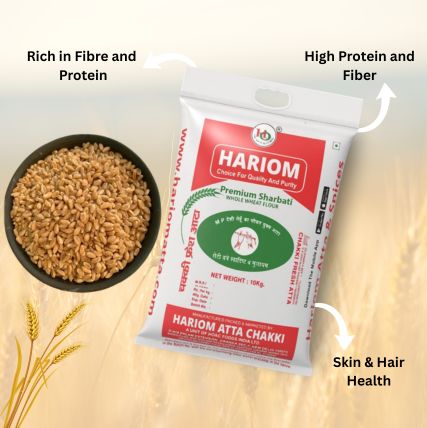
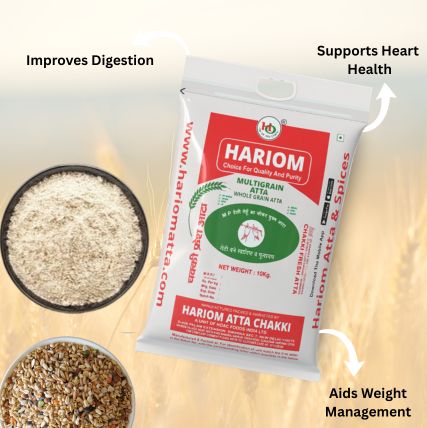
Fresh Atta: The Superiority of Using Freshly Grinded Wheat Flour For Your Rotis
Consumers are increasingly turning towards fresh atta as it promises superior flavor and freshness for use in everyday food products. In contrast to the shelf-kept flour, the freshly grinded flour is a more traditional method of producing one of the most basic foods in India.
For many years, the Indian households were using atta made by chakki grinding of wheat flour for making soft rotis, chapatis, parathas, and other home-cooked foods. Today, this traditional method is getting renewed popularity in the age of easy online shopping.
What makes fresh flour unique? Why do people prefer fresh flour, fresh milled flour, and traditional chakki atta for their daily cooking?
Let us find out.
What Is Fresh Atta?
As the name suggests, fresh atta refers to wheat flour, which is processed and packed with emphasis on retaining its freshness. It is made of clean and milled wheat, which can be used in cooking.
With fresh atta, the goal is to use high-quality grains, process them properly and pack them in order to get flour, which can work well when making rotis and Indian meals.
Here is how fresh atta can be used:
Soft rotis and chapatis
Parathas
Pooris
Puri and bhatura dough
Homemade breads
Indian snacks and dishes
In case your family prepares rotis daily, using high-quality flour will help to get perfect results.
Why Should You Go For Freshly Ground Wheat Flour?
There are many benefits of freshly ground wheat flour. First of all, it is a traditional method of processing wheat flour. Unlike ready-to-use flour, emphasis is put not only on the packaging, but also on the wheat cleaning and grinding.
Using high-quality wheat, cleaned and milled properly, one can expect the texture and taste of flour, similar to everyday Indian atta.
Also, freshly ground flour offers high versatility. It can be used in different recipes, thus providing a good choice for those, who cook Indian meals.
No matter whether you need to prepare a regular roti for morning or parathas for dinner, high-quality flour is an important component.
What Is Fresh Milled Wheat Flour?
Fresh milled wheat flour can be defined as flour that is obtained after milling the wheat relatively near to the area of use or packaging. In other words, milling can be explained as the procedure that results in obtaining flour after processing the wheat grains.
The milling technique can have an impact on the texture of the flour obtained. Traditional milling techniques, including chakki milling, are associated with Indian style atta.
Consumers interested in getting wheat flour should pay attention to freshness, wheat quality, milling technique, and storage of the flour.
Traditional Chakki Atta: An Indian Way of Flour Milling
In times before packed flour has become common practice, wheat used to be sent to the local flour mills or chakki to be grinded.
This is how the term traditional chakki atta originated.
In a chakki, grinding is carried out using grinding stones or stone-like millings. This tradition has survived until now due to the close connection with the Indian families' way of milling the atta.
The texture of the traditional chakki atta is different from highly refined flour and this one is made specifically for Indian cuisine.
For those, who enjoy having a traditional kind of flour, chakki atta can be an appropriate option.
What Makes Chakki Fresh Atta Different?
The idea of chakki fresh atta is combining the traditional idea of the milling process with modern conveniences of packaging and delivery.
Nowadays instead of going to the local flour mill, customers can simply order the atta online and receive it delivered to their house.
While choosing the chakki fresh atta, it is important to take into account the following aspects:
1. Quality of the Wheat
The quality of the final flour depends on the quality of the initial raw materials, namely, on the quality of the wheat.
2. Milling Technique
As it has already been said, the technique can affect the texture of the flour, and the majority of households prefer traditional chakki style milling for making rotis at home.
3. Freshness
It is extremely important to check the date of production or packing as well as the storage conditions.
4. Packaging
Good packaging is required to protect flour from moisture and external influences during the transportation and storage.
5. Brand Transparency
It is important to choose the brand that provides detailed information about the ingredients, weight, production conditions, and storage conditions.
Fresh Atta For Soft Rotis
One of the main reasons why people look out for fresh atta is very simple – they want soft rotis on a daily basis.
But there are various factors that affect the texture of the roti and these include:
Variety of wheat
Quality of flour
Quantity of water
Kneading of the dough
Refrigeration period
Heat during cooking
Post-cooking storage
While high-quality atta helps with the preparation of soft dough, technique also becomes a critical factor here.
To prepare soft rotis, you should knead your dough well and cook the roti on a properly-heated tawa.
How to Select the Best Fresh Wheat Flour Online
There are so many products online that selecting wheat flour can get overwhelming.
Before purchasing,
Make sure to verify wheat source information provided by the brand.
For a plain wheat atta, the ingredients must be simple.
See if the brand offers any information on milling of the atta.
Make sure that the atta is fresh.
Select proper packaging of the atta.
Check customer reviews and their experiences with the product.
Delivery should be reliable for products purchased online.
Why Freshly Milled Atta Has Become So Popular
Convenience is a significant factor nowadays due to changing lifestyles. Consumers also tend to show growing interest in traditional ways of preparing food.
As a result, there is growing interest in products like freshly milled wheat flour and chakki-ground atta.
It is because people want the convenience of ordering groceries online but at the same time, not to move too far from traditional food preparation.
That is why fresh ground atta has become a popular search and product category for Indian homes.
How to Store Fresh Atta Correctly
No matter how high-quality flour is, it needs to be stored correctly.
Remember these simple rules to do so:
Put your atta into an air-tight container after opening.
Store it in a cool and dry place.
Protect it from moisture.
Use a dry and clean spoon when you use it.
Follow storage recommendations of the product.
Do not keep flour in a sunny place.
Look out for flour before using it after storing it for some time.
Fresh Atta for Everyday Indian Cooking
Atta isn’t simply any grocery. Attar forms an integral part of Indian food.
From breakfast rotis to lunch-time chapatis and dinner parathas, wheat flour goes into thousands of recipes.
Getting your hands on fresh atta that fits your culinary style can make your daily culinary life less difficult and more fun.
For those who love to do things the old way, traditional chakki atta and freshly milled wheat flour could be something you may want to try out.