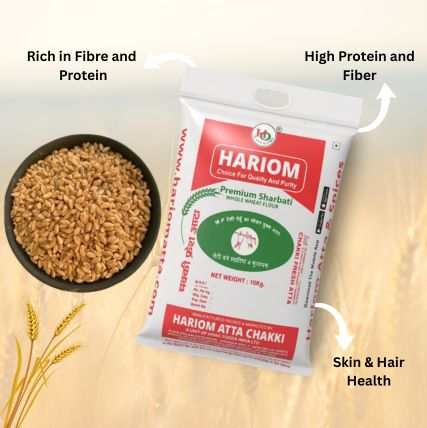
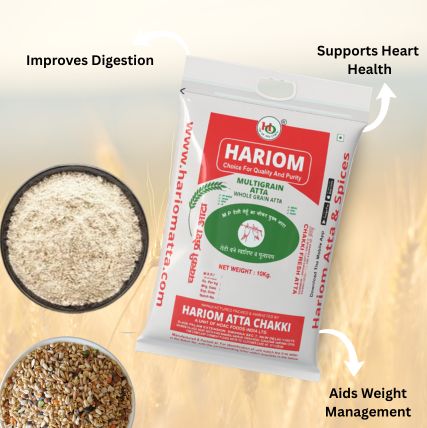
When entering any kitchen in Central India during harvest time, you may often hear generations of families say, “MP wheat is known for its quality.” It isn’t merely a traditional belief; the region’s fertile soil, abundant sunlight, favourable climate, and generations of farming experience contribute to the distinctive quality of Madhya Pradesh wheat.
MP makes the largest contribution to the total wheat production in India. The Sharbati and Lokwan varieties of wheat grown in MP have a high content of proteins and natural sweetness of taste. It is because of those qualities that rotis made from MP wheat flour turn out softer and more elastic than dough made from generic atta.
The Sourcing Story: From MP's Fields to Your Kitchen
The authentic MP wheat flour used at our company is derived from the cultivation of wheat in the rich Malwa and Nimar plateaus, which have black cotton soil (kali mitti) and are moderately climatic conditions suitable for the development of dense nutrient-packed kernels. Our company, Hariom Atta & Spices, follows such a philosophy when preparing our MP Atta, which involves buying wheat from the farms of Madhya Pradesh and grinding the whole grain through a chakki-style stone mill.
Why should you care about stone milling? Because stone milling is a much healthier option than using high speed steel roller mills that produce heat and remove nutrients from the wheat. Chakki method leaves the fibre and nutrients within the whole wheat grain as it was traditionally done in Indian households since ages.
The Nutrition Story
MP wheat flour, when stone-ground and unrefined, retains:
- Dietary fibre from the bran layer, which supports digestion and helps maintain steady blood sugar levels
- B-vitamins and iron concentrated in the wheat germ, often lost in refined flours
- Natural protein (gluten) from Sharbati wheat, which gives dough its stretch and rotis their softness
- Complex carbohydrates that provide sustained energy rather than quick sugar spikes
This is a meaningful difference from bleached, over-processed maida-style flours that dominate mass-market shelves — MP wheat flour is closer to whole grain, which is why nutritionists frequently recommend it as a daily staple over refined alternatives.
Key Benefits of Choosing MP Wheat Flour
- Softer rotis, longer freshness — the natural gluten strength in MP wheat keeps chapatis soft even hours after cooking.
- Better dough handling — Sharbati and Lokwan wheat absorb water evenly, making the dough easier to knead and roll.
- Authentic taste — the slightly sweet, nutty flavour is a hallmark of genuine MP-sourced wheat, distinct from flour blended with lower-grade grain.
- No additives needed — because the wheat itself is high quality, MP atta doesn't require bleaching agents or improvers common in commercial flour.
- Higher nutrient retention — stone-grinding preserves fibre and micronutrients that roller-milled flour often loses.
Who Is MP Wheat Flour Best Suited For?
- Families who eat roti/chapati daily and want consistent softness without additives
- Health-conscious households looking for higher-fibre, less-processed alternatives to refined flour
- Traditional cooks who prefer the taste and texture of stone-ground atta over machine-milled flour
- People managing blood sugar or digestion, who benefit from the slower-release carbohydrates in whole wheat flour
- Anyone sourcing flour for parathas, puris, or thick rotis, where dough elasticity and strength matter most
Frequently Asked Questions
Q: What makes MP wheat different from wheat grown in other states? A: Madhya Pradesh's black soil, climate, and predominant Sharbati/Lokwan varieties give the wheat higher protein content, better grain density, and a naturally sweeter taste compared to many other wheat-growing regions.
Q: Is stone-ground MP atta better than roller-mill flour? A: Stone-grinding uses less heat and keeps the bran and germ intact, which preserves more fibre, vitamins, and natural flavour than high-speed roller milling.
Q: Can MP wheat flour be used for all types of Indian bread? A: Yes — it works well for rotis, parathas, puris, and even naan, thanks to its balanced protein content and dough elasticity.
Q: How should MP wheat flour be stored to keep it fresh? A: Store in an airtight container in a cool, dry place; because it's minimally processed, it's best consumed within 2–3 months of grinding for peak freshness.
Q: Is MP wheat flour suitable for daily consumption? A: Yes — its fibre content and unrefined nature make it a healthier daily staple compared to bleached, refined flours.