Khapli Atta: The Ancient Wheat Your Grandmother Ate Before It Was Trendy
Ask anyone who grew up in a joint family kitchen what atta they used before packaged flour took over, and there's a good chance the answer traces back to a grain that looked a little different from today's regular gehun. That grain is what we now call khapli wheat, and the flour milled from it is khapli atta. Long before “high protein atta” started showing up on shelves with bold labels, this was just the wheat people ate because it was what grew in their region and what their bodies were used to.
At Hariom, we mill khapli atta the way it's always been done, stone ground, close to the source, without stripping away the parts that actually make it worth eating. Here's a full rundown of what khapli atta actually is, what it does nutritionally, how to cook with it, and the questions people search for most.
What exactly is khapli atta
Khapli atta is flour ground from emmer wheat, one of the oldest cultivated wheat varieties in the world, grown mainly in parts of Maharashtra and central India. Unlike modern hybrid wheat, khapli wheat has stayed largely unchanged for generations, which is a big part of why people bring it up whenever the khapli atta vs regular atta comparison comes up. Emmer wheat flour has a denser bran layer, a noticeably nuttier taste, and a very different nutritional profile compared to the polished, high yield wheat most commercial atta comes from.
Khapli atta protein and why it's called a high protein atta
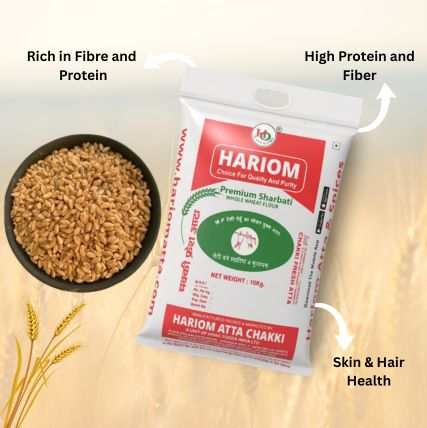
One of the first things people notice when they look up khapli atta nutrition is the protein number. Khapli atta protein content runs meaningfully higher than regular atta, which is exactly why it gets grouped with high protein atta options in most comparisons. For a household trying to increase protein intake without relying on supplements, swapping the daily roti flour for khapli atta is a quiet, effective way to do it, since the protein is baked into a food you're already eating every day.
Low gluten atta and what that actually means for you
Khapli atta is often searched as low gluten atta or low gluten flour, and the reason comes down to its gluten structure. Khapli wheat carries a different, weaker gluten pattern than modern wheat, so people with mild gluten sensitivity often find it easier to digest, though it is important to be clear that khapli atta is not gluten free. It simply has less and structurally different gluten, which also explains why khapli atta roti and khapli atta bhatura need a slightly different hand while kneading compared to regular dough.
High fiber atta and low glycemic index atta, the two most searched benefits
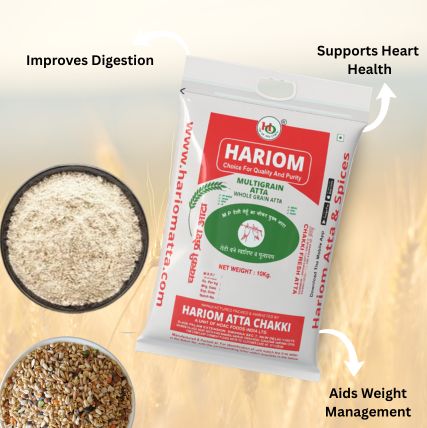
Beyond protein, khapli atta consistently comes up as a high fiber atta, thanks to the thicker outer bran that stone grinding preserves rather than strips away. That fiber is directly tied to why khapli atta is also known as a low glycemic index atta. The fiber slows down how quickly the flour converts to sugar in the bloodstream, which is why it shows up so often in searches around khapli atta for weight loss and blood sugar friendly eating. This is general nutritional information, not medical advice, so anyone managing diabetes or a specific condition should check with a doctor before making dietary changes.
Stone ground khapli atta versus roller milled flour
There's a real difference between stone ground khapli atta and the roller milled version some brands sell under the same name. Roller milling generates high heat, which degrades some of the nutrients and flattens the flavor. Stone grinding keeps the temperature low and the grain structure intact, which is why the bran, germ, and endosperm all stay in the final flour instead of being separated and partially discarded. If you're comparing khapli atta brands, this is the single biggest quality marker to check for.
Khapli atta for weight loss, why it actually works
Khapli atta for weight loss isn't a marketing claim, it's a fairly direct outcome of the fiber and protein combination. Fiber slows digestion and keeps you full longer, protein reduces the urge to snack between meals, and the lower glycemic index avoids the sharp blood sugar spikes that usually trigger hunger an hour after eating. None of this requires cutting rotis out of your diet, it just means the roti itself is doing more nutritional work than a regular atta roti would.
Cooking with khapli atta
Khapli Atta Roti
Because khapli atta has less gluten, the dough needs slightly warm water and a little extra kneading time to hold together well. A small amount of ghee in the dough helps keep the roti soft. Roll it a touch thicker than you would regular roti and cook it on a medium hot tawa, since khapli atta browns a little faster than regular wheat.
Khapli Atta Bhatura
For khapli atta bhatura, mix in a spoon of curd and a pinch of baking soda, then let the dough rest for at least thirty minutes before rolling and frying. The lower gluten means bhatura made from khapli atta puffs up a little differently than the regular maida version, but the flavor is noticeably richer and nuttier.
Khapli Atta Bread
Khapli atta bread works well with a standard yeast bread method, just expect a denser crumb than all purpose flour bread, since the fiber content changes how the dough rises. Let the dough proof a little longer than usual and you'll get a loaf that's higher in fiber and protein than most store bought bread.
Buying khapli atta, price and where to find it
Khapli atta price usually runs higher than regular atta, and that's mostly down to lower crop yields and the slower stone grinding process, not markup for the sake of it. When you're looking at khapli atta online, check whether the brand specifies stone ground and whether the sourcing is traceable back to actual khapli wheat farms, since a lot of listings blend in regular wheat to cut costs. Hariom sources khapli atta directly and mills it the traditional way, which is worth knowing if you're comparing khapli atta brands and trying to figure out which one is actually worth the price difference.
Frequently Asked Questions About Khapli Atta
Is khapli atta good for weight loss?
Yes. Khapli atta is high in fiber and protein and has a lower glycemic index than regular atta, which helps you stay full longer and avoid the blood sugar spikes that typically trigger hunger soon after eating.
Does khapli atta contain gluten?
Yes, but less than regular wheat, and the gluten structure is weaker. Khapli atta is a low gluten atta, not a gluten free one, so it is not suitable for people with celiac disease.
What is the difference between khapli atta and regular atta?
Khapli atta comes from emmer wheat, an older wheat variety with higher protein, higher fiber, and lower glycemic index than the modern hybrid wheat used for regular atta. It also has a denser, nuttier texture.
Why does khapli atta roti feel different from regular roti?
Because khapli atta has less gluten, the dough is less elastic, so the roti needs a slightly thicker roll and warm water while kneading to stay soft. It also browns faster on the tawa.
Is khapli atta the same as stone ground atta?
Not exactly. Khapli atta refers to the wheat variety, stone ground refers to the milling method. The best khapli atta is both, milled from actual khapli wheat using a stone chakki, since that preserves the most nutrients.
Why is khapli atta more expensive than regular atta?
Khapli wheat has lower crop yields than modern wheat varieties, and stone grinding is slower than roller milling, both of which push the price up compared to regular atta.
Is khapli atta suitable for daily use?
Yes. Many households replace their everyday atta with khapli atta entirely, since it works for roti, bhatura, and bread, and offers more protein and fiber than regular flour for the same daily use.
Why Khapli Atta From Hariom?
Every batch of khapli atta from Hariom is milled using traditional stone grinding, sourced from farms that grow genuine emmer wheat rather than a hybrid blend. Nothing is stripped out and nothing is added, which is really the whole point of going back to a grain your grandparents already trusted.