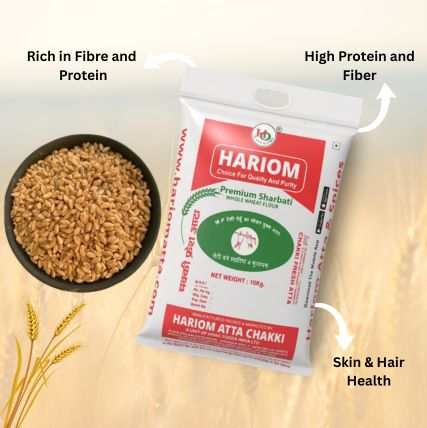
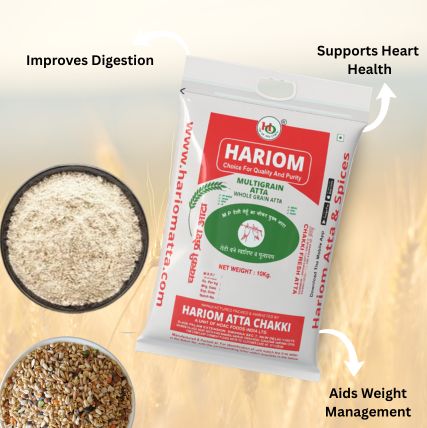
Multigrain Atta: Benefits, Ingredients, Nutrition & How to Choose the Best Multigrain Atta
Walk into almost any Indian kitchen and you will find atta at the heart of everyday meals. Rotis, chapatis and parathas are regular favourites, but many families are now looking beyond regular wheat flour and exploring multigrain atta for more variety in their daily diet.
But what exactly is multigrain flour? What are the usual multigrain atta ingredients? Is multigrain atta vs whole wheat atta actually different? And how do you choose the best multigrain atta for roti in India?
Here is a simple guide to help you understand multigrain atta without making food more complicated than it needs to be.
What Is Multigrain Atta?
Multigrain atta is flour made by combining more than one grain or cereal. Wheat generally forms the base, while other grains and ingredients are added to create a more varied flour blend.
Unlike regular whole wheat atta, a good multigrain flour can bring together the characteristics of different grains in one everyday flour.
The exact blend varies from product to product, which is why reading the multigrain atta ingredients on the pack is important before buying.
What Are the Common Multigrain Atta Ingredients?
There is no single fixed multigrain atta recipe followed by every brand.
A multigrain blend may contain ingredients such as:
-
Whole wheat
-
Other grains, millets or pulses depending on the formulation
For example, ragi wheat atta combines wheat with ragi and can be one component or style of a broader multigrain blend.
The quality of the grains and their proportion matter just as much as the number of grains mentioned on the pack.
A product containing seven grains is not automatically better than one containing five. What matters is whether the ingredients work together to produce nutritious flour and soft, enjoyable rotis.
Multigrain Atta Benefits
One reason behind the growing interest in multigrain atta benefits is that different grains naturally have different nutritional profiles.
Combining grains can provide a broader mix of nutrients than relying on one grain alone.
Depending on its actual ingredients, multigrain atta may contribute:
-
Dietary fibre
-
Plant-based protein
-
Complex carbohydrates
-
Naturally occurring vitamins and minerals
-
Nutritional variety from different grains
However, the benefits depend heavily on the formulation. Simply writing "multigrain" on a packet does not tell you how much of each grain is actually present.
Is Multigrain Atta High in Fibre?
People looking for high fibre atta often consider multigrain varieties because ingredients such as whole wheat, millets and certain other whole grains naturally provide dietary fibre.
Fibre is an important part of a balanced diet and contributes to normal digestive function.
If you are specifically buying multigrain atta for gut health or looking for multigrain atta for digestion, check the nutrition information and ingredient list instead of relying only on the word "multigrain."
A flour made predominantly from refined ingredients would be very different from one containing whole grains.
Is Multigrain Atta High in Protein?
The multigrain atta protein content depends on the grains and pulses used in the blend.
Ingredients such as wheat, chana and soya naturally contain protein, so a carefully formulated blend may be useful for someone looking for a high protein atta as part of their regular diet.
However, protein content can vary significantly between products.
Check the nutrition panel to understand the actual multigrain atta nutritional value rather than assuming every multigrain product contains the same amount of protein.
Multigrain Atta vs Whole Wheat Atta: What's the Difference?
The basic difference between multigrain atta vs whole wheat atta is straightforward.
Whole wheat atta is primarily made from wheat, while multigrain atta combines wheat with one or more additional grains, millets or pulses.
Both can have a place in an everyday Indian diet.
If you enjoy traditional wheat rotis and want simplicity, whole wheat atta may suit you well. If you want more grain variety in the same roti, multigrain atta can be an interesting alternative.
Multigrain Flour vs Wheat Flour for Weight Loss
Many people search for multigrain flour vs wheat flour for weight loss, but no single type of atta can guarantee weight loss.
Body weight is influenced by overall calorie intake, portion size, activity levels, sleep, overall diet and many other factors.
If you are searching for healthy atta for weight loss or multigrain atta for weight loss, look at the complete nutritional profile rather than expecting the word "multigrain" to make a product a weight-loss food.
A balanced meal, sensible portions and an overall sustainable diet matter much more.
What About Multigrain Atta for Diabetes?
Searches for multigrain atta for diabetes, diabetic friendly atta, multigrain atta for blood sugar control and low glycemic index flour have become increasingly common.
But this is an area where consumers should be particularly careful about broad health claims.
The effect of a meal on blood glucose depends on the ingredients, processing, portion size and what else is eaten with it. Not every multigrain atta automatically has a low glycemic index.
Anyone managing diabetes or another medical condition should follow individual dietary guidance from an appropriately qualified healthcare professional rather than relying solely on marketing claims on an atta packet.
Multigrain Atta for Heart Health
People also look for multigrain atta for heart health because whole grains can form part of a balanced diet.
However, heart health depends on the complete dietary pattern and lifestyle—not one ingredient.
When choosing atta, focus on whole-grain ingredients, nutritional information and overall product quality.
Organic Multigrain Atta: Is It Different?
You may also come across organic multigrain atta while shopping.
"Organic" and "multigrain" describe two different things.
Multigrain tells you that multiple grains are being used, whereas organic relates to how agricultural ingredients are produced and certified.
Therefore, an organic multigrain atta should only be described as organic when the product meets the applicable organic certification requirements.
Do not assume that every natural-looking or traditionally milled atta is automatically organic.
What Is Chakki Multigrain Atta?
Chakki multigrain atta generally refers to a multigrain flour produced using a chakki-style grinding process.
Many people prefer stone ground wheat flour or chakki-ground flour because of the traditional association with Indian atta preparation.
But grinding is only one part of quality.
Freshness, grain selection, cleaning, storage and packaging are equally important when choosing flour.
Why Freshness Matters in Atta
Atta is an everyday food, so freshness can make a noticeable difference to aroma, handling and the overall roti experience.
This is one reason people increasingly search for chakki atta online and fresh atta home delivery rather than simply buying flour based on shelf availability.
If you choose multigrain atta home delivery, check how the flour is processed, packed and stored before it reaches your kitchen.
What About Atta Without Preservatives?
Another increasingly common search is atta without preservatives.
If avoiding added preservatives is important to you, check the ingredient declaration and product label carefully.
The simplest way to understand what you are eating is to read the label rather than depending entirely on front-of-pack claims.
How to Make Multigrain Atta at Home
If you are wondering how to make multigrain atta at home, start by choosing the grains you actually enjoy eating rather than adding every grain available.
A simple homemade multigrain flour can combine wheat with selected millets or pulses according to your dietary preferences.
The grains should be properly cleaned before grinding, and the proportions need to be balanced so that the flour still produces rotis with good texture.
This is particularly important because adding too much of certain non-wheat grains can reduce gluten development and make rotis harder to roll or less soft.
Simple Multigrain Atta Recipe
There isn't one perfect multigrain atta recipe for every household.
A practical approach is to keep whole wheat as the main component and introduce other grains gradually.
You can experiment with ragi, jowar, bajra, barley, chana or soya depending on taste and dietary preferences.
The goal isn't to put the maximum number of grains into the flour. It is to create a blend your family will actually enjoy eating regularly.
How to Make Soft Multigrain Chapati
People often ask how to make soft multigrain chapati, because multigrain dough can behave differently from standard wheat dough.
Start by adding water gradually and kneading the dough until it becomes smooth.
Allowing the dough to rest before rolling can make handling easier.
Avoid using excessive dry flour while rolling, and cook the chapati on a properly heated tawa without overcooking it.
The flour blend itself also matters. A balanced multigrain chapati flour should provide the benefits of multiple grains without making everyday rotis unnecessarily hard or dry.
Easy Multigrain Roti Recipe
For a basic multigrain roti recipe, take the required amount of multigrain atta and slowly add water while kneading.
Let the dough rest briefly, divide it into equal portions and roll each portion into a roti.
Cook both sides on a hot tawa until properly done.
Pair your multigrain roti with dal, vegetables, curd or other foods to make it part of a balanced Indian meal.
How to Choose the Best Multigrain Atta
Finding the best multigrain atta isn't simply about picking the packet with the largest number of grains written on it.
Look for:
-
A clear ingredient list
-
Whole-grain ingredients
-
Good-quality grains
-
Nutritional information
-
Freshness
-
Suitable fibre and protein content
-
Good roti texture
-
Transparent product labelling
-
Appropriate storage and packaging
-
A taste your family enjoys
The best multigrain atta for roti in India ultimately needs to balance nutrition, freshness, taste and softness.
Buying Multigrain Atta Online
If you want to buy multigrain atta online, don't compare products only by price.
Check the ingredients, pack size, nutritional information, manufacturing or packing details and seller information.
The multigrain atta price can vary depending on the grains used, sourcing, processing, pack size and brand.
For families that consume atta regularly, a multigrain atta 5 kg pack can be a practical option, while smaller packs may make sense when trying a new blend for the first time.
When searching for the best multigrain atta brand, focus on transparency and product quality instead of relying solely on advertising claims.
Is Multigrain Atta Better Than Regular Atta?
Not necessarily for everyone.
The multigrain vs regular atta decision depends on your diet, taste preferences and nutritional requirements.
Whole wheat atta can already be a nutritious everyday staple. Multigrain atta simply provides an opportunity to include additional grains in a familiar food such as roti.
Instead of asking which one is universally "better," ask which one works better for your household.
The Bottom Line
Multigrain atta can be an easy way to introduce greater grain variety into everyday Indian meals without completely changing the foods your family already enjoys.
Whether you're comparing multigrain flour, searching for high fibre atta, exploring high protein atta, considering ragi wheat atta, or simply looking for a different flour for everyday rotis, start with the ingredient list.
Good atta doesn't need complicated promises.
It needs good grains, sensible processing, freshness, transparency and rotis that your family actually looks forward to eating.
If you're planning to buy multigrain atta online, compare the ingredients and nutritional information first, choose the pack size that suits your household and prioritise freshness over flashy claims.
Frequently Asked Questions About Multigrain Atta
1. What is multigrain atta?
Multigrain atta is flour produced using a combination of different grains rather than only one grain. Wheat is commonly used as the base along with other grains, millets or pulses.
2. What are the main multigrain atta benefits?
Potential multigrain atta benefits include greater grain variety and a broader nutritional profile. The exact benefits depend on the multigrain atta ingredients and their proportions.
3. What are common multigrain atta ingredients?
Common multigrain atta ingredients can include wheat, ragi, jowar, bajra, barley, chana and soya. Formulations vary between products.
4. Is multigrain atta good for weight loss?
No atta alone causes weight loss. People searching for multigrain atta for weight loss should consider portion sizes, total calorie intake, activity and their overall dietary pattern.
5. Is multigrain atta good for diabetes?
People searching for multigrain atta for diabetes or diabetic friendly atta should not assume all multigrain products affect blood glucose in the same way. Ingredients, portions and overall meals matter, and individual medical guidance should take priority.
6. Is multigrain atta a low glycemic index flour?
Not automatically. Whether a product can be considered a low glycemic index flour depends on its formulation and appropriate testing; the term "multigrain" alone does not establish a low GI.
7. Which is better: multigrain atta vs whole wheat atta?
In multigrain atta vs whole wheat atta, neither is universally better. Whole wheat atta provides the nutrition of wheat, while multigrain atta introduces additional grains. Your choice should depend on your overall diet and preferences.
8. Does multigrain atta contain protein?
Yes, grains naturally contain some protein, but multigrain atta protein content varies according to the ingredients and their proportions. Check the nutrition panel if you specifically want a high protein atta.
9. Is multigrain atta high in fibre?
Some blends can work well for consumers looking for high fibre atta, particularly when they contain whole grains. Check the nutrition information for the actual fibre content.
10. Can multigrain atta support digestion?
Dietary fibre contributes to normal digestive function, but the suitability of multigrain atta for digestion or multigrain atta for gut health depends on the individual and the flour's ingredients.
11. Can I make multigrain atta at home?
Yes. If you're learning how to make multigrain atta at home, choose clean, good-quality grains and use balanced proportions. A homemade multigrain flour should still produce dough that is practical for everyday cooking.
12. How do I make soft multigrain rotis?
For anyone searching how to make soft multigrain chapati, use enough water, knead properly, allow the dough to rest and avoid overcooking the roti. The formulation of the multigrain chapati flour also affects softness.
13. What is chakki multigrain atta?
Chakki multigrain atta refers to a multigrain blend prepared using chakki-style grinding. Consumers looking for stone ground wheat flour often also explore traditional chakki-ground products.
14. Can I buy multigrain atta online?
Yes. You can buy multigrain atta online, but compare ingredients, nutritional information, freshness, pack size and multigrain atta price before ordering.
15. Is a multigrain atta 5 kg pack suitable for a family?
A multigrain atta 5 kg pack can be convenient for households that regularly make rotis, but the ideal quantity depends on consumption and how quickly the flour will be used.
16. What should I check when choosing the best multigrain atta brand?
When looking for the best multigrain atta brand, check ingredient transparency, nutrition information, freshness, grain quality, processing and whether the flour produces rotis your household enjoys.
17. Is organic multigrain atta better?
Organic multigrain atta refers to a multigrain product made with appropriately certified organic ingredients. Organic certification and nutritional quality are separate considerations.
18. Can I order fresh atta for home delivery?
Depending on availability in your location, fresh atta home delivery and multigrain atta home delivery can make it easier to purchase freshly packed flour without visiting a store.
19. Where can I find chakki atta online?
Consumers searching for chakki atta online can compare flour brands and sellers based on freshness, ingredients, grinding process, packaging and delivery availability.
20. What should I look for in atta without preservatives?
When looking for atta without preservatives, read the ingredient declaration and label carefully to confirm whether preservatives have been added.