Multigrain Atta: Ingredients, Ratio & Benefits — The Complete Guide
Somewhere between the wheat atta your grandmother used and the protein-powder aisle at a supermarket, there's a quieter, more sensible middle ground — and that's exactly what multigrain atta is. It's not a fad, and it's not a single grain pretending to be something fancier. It's a genuine blend, built with intention, and once you understand what actually goes into the bag, it stops feeling like a marketing term and starts feeling like common sense.What Is Multigrain Atta, Really?
If you've ever wondered what is multigrain atta beyond the label on a packet, the answer is simpler than most brands make it sound. Multigrain atta is a flour blend made by combining wheat with several other grains, lentils, or seeds — typically things like ragi (finger millet), jowar (sorghum), bajra (pearl millet), soybean, chana (Bengal gram), oats, and sometimes flax seeds. The idea isn't to replace wheat entirely, but to layer in the nutritional strengths of multiple grains into the one flour your family already eats every single day.
This matters more than it sounds. A single-grain atta — just wheat, ground and packed — gives you exactly what wheat offers: decent fiber, some protein, familiar taste. A well-built multigrain atta gives you wheat's softness and workability, plus the extra fiber of bajra, the mineral density of ragi, the plant protein of soybean and chana, and the healthy fats from flax or oats. It's the same roti you're already rolling out every evening — just carrying more nutritional weight in every bite.
The Ingredients That Actually Matter
Search interest in multigrain atta ingredients has grown significantly, and that's a good sign — people aren't just buying because a bag says "multigrain," they actually want to know what's inside it. And they're right to ask, because not every multigrain atta on the shelf uses the same formula.
A genuinely good multigrain atta typically includes:
- Wheat — the base grain, providing structure and the familiar taste and texture Indian households are used to
- Ragi (finger millet)— adds calcium and iron, and a subtly earthy flavour
- owar (sorghum) and * bajra (pearl millet)** — both bring extra fiber and a slightly denser bite
- Soybean is a strong plant-protein contributor, which is why multigrain rotis tend to keep you fuller for longer
- Chana (Bengal gram)— adds protein and a mild nuttiness
- Oats—contributes soluble fiber, useful for cholesterol and digestion
- Flax seeds (in some blends) — a source of omega-3 fatty acids, added in small quantities
The specific list varies by brand, and that variation is exactly why reading the ingredient panel matters more than trusting the word "multigrain" on its own. Some products lean heavily on wheat with just a token sprinkle of other grains; others genuinely balance the blend so each grain contributes something measurable to the final flour.
The Question Everyone Eventually Asks: What's the Right Ratio?
This is where most multigrain atta guides fall short, and it's also one of the most searched aspects of the whole topic — people want to understand the proportion behind the blend, not just the ingredient list. There's no single official ratio, but a well-balanced multigrain atta generally keeps wheat as the majority component — typically 60-70% of the total blend — with the remaining 30-40% distributed across the other grains and lentils.
Why does wheat need to stay dominant? Because wheat contains gluten, which is what gives roti its elasticity — the reason it puffs up on the tawa and doesn't crack apart when you fold it around a sabzi. Push the non-wheat grains too high, and you get a flour that's nutritionally impressive on paper but genuinely difficult to cook with: rotis that crumble, dough that won't hold together, and a texture that feels more like a health supplement than food.
A practical, kitchen-tested ratio looks something like this:
- 60-65% wheat
- 10-15% ragi and jowar combined
- 8-10% soybean or chana
- 5-8% bajra
- The remainder split between oats and a small quantity of flax seed
This isn't a rigid formula — different households adjust it based on taste and health goals — but it's a reliable starting point, and it's roughly what serious multigrain atta brands aim for when the blend is built for daily cooking rather than as a one-time health experiment.
Why Multigrain Atta Actually Matters for Your Health
The health benefits conversation around multigrain atta has been growing steadily, and it's not hard to see why once you understand what a blended flour is doing nutritionally that a single grain can't.
**More fiber, more consistently.** Wheat alone offers a certain amount of fiber, but ragi, jowar, and bajra each add their own fiber profile on top of it. The combined effect is a roti that digests more slowly, keeps blood sugar more stable after a meal, and helps with regularity in a way plain wheat atta often doesn't manage on its own.
**A meaningfully better protein profile.** Wheat is not a strong protein source by itself. Add soybean and chana into the mix, and suddenly your daily roti is contributing noticeably more protein — which matters for vegetarian households where getting enough protein through the day is a genuine, ongoing challenge rather than a one-off concern.
A gentler effect on blood sugar. Because multigrain atta digests more slowly than plain wheat atta (thanks to the added fiber and the different starch structures of millets like bajra and jowar), it tends to cause a more gradual rise in blood glucose. This is a big part of why multigrain roti so often gets recommended for diabetes-conscious households — not as a miracle cure, but as a rice-and-roti swap that quietly makes daily meals a little kinder to blood sugar.
Micronutrients wheat alone doesn't provide. Ragi brings calcium and iron in quantities wheat simply doesn't have. Bajra contributes magnesium and additional iron. None of these are dramatic amounts on their own, but stacked across a daily roti eaten twice a day, every day, for years — it adds up to a genuinely different nutritional pattern than eating plain wheat atta for the same stretch of time.
A more filling meal, with less of it. The combined fiber and protein from the added grains mean multigrain roti tends to be more satiating than the same-sized wheat roti. For households trying to manage weight without cutting rotis out of the picture entirely, this is often the simplest, least disruptive change to make.
Multigrain Flour vs. Wheat Flour: Where the Real Difference Shows Up
The interest around multigrain flour as its own search topic tells us people are actively comparing it against plain wheat flour before committing to switch — which is a healthy instinct. The honest comparison looks like this: wheat flour is softer to work with, has a milder taste, and is what most Indian households grew up cooking with, so the transition curve is zero. Multigrain flour asks for slightly more water in the dough (because the added grains absorb moisture differently), a touch more kneading, and a little patience while your hands adjust to a marginally denser dough.
What you get in return is a roti with more texture, a mildly nutty flavour that most people adapt to within a week or two, and a meaningfully upgraded nutritional profile for the exact same daily habit you already have. It's not a dramatic lifestyle overhaul — it's closer to switching from refined sugar to jaggery: the routine stays the same, but what's actually going into the body shifts for the better.
Mixed Grain Atta: A Related Term Worth Understanding
You'll sometimes see the term mixed grain atta used almost interchangeably with multigrain atta, and search interest in this exact phrase has been climbing faster than almost any other term in this category. In practice, the two terms describe very similar products — a blended flour made from wheat plus additional grains — though "mixed grain" is sometimes used by brands to describe a slightly simpler blend (say, just two or three grains) compared to a more elaborate multigrain formula with seven or more ingredients. When you're comparing products online, it's worth checking the actual ingredient panel rather than assuming the name alone tells you how many grains are really in the bag.
How to Actually Cook With It
A few practical adjustments make multigrain atta noticeably easier to work with:
- Use slightly warm water when kneading — it helps the added grains hydrate more evenly than cold water does
- Let the dough rest for 15-20 minutes before rolling — this softens the bran and millet particles, making the roti easier to roll without tearing
- Roll it a touch thicker than a plain wheat roti — multigrain dough is less elastic, so a very thin roti is more likely to crack at the edges
- Cook on a slightly lower flame than you would for wheat roti — the denser blend needs a little more time to cook through without burning the surface
None of these are complicated changes, but they're the difference between someone trying multigrain atta once, finding the rotis "just different," and giving up — versus someone who makes the small adjustments and ends up preferring it within a couple of weeks.
Choosing the Right Multigrain Atta
With the sheer number of blends on the market, the ingredient panel is the only reliable way to judge quality. Look for a product that lists wheat first (confirming it's still the majority grain) followed by a genuine spread of other grains and lentils — not just wheat with a token 2-3% of something else added purely for the label. Freshly milled, stone-ground multigrain atta also tends to retain more of its nutritional value than atta that's been sitting in a warehouse for months before reaching the shelf, since the natural oils in ingredients like flax and oats degrade over time once ground.
At Hariom, our multigrain atta is stone-ground in small, fresh batches with a balanced blend built for real daily cooking — not a token gesture toward "healthy" branding, but a genuine, kitchen-tested formula designed to make your everyday roti do a little more for your family.
Multigrain Atta vs. Everything Else in Your Kitchen
People rarely switch to multigrain atta in isolation — they're usually comparing it against something else they already use, so it's worth walking through the comparisons that come up most often.
Multigrain atta vs. besan: Besan (gram flour) is a single-ingredient flour made purely from chana, mostly used for specific dishes like pakoras, dhokla, or as a thickening agent — it isn't meant for daily roti the way multigrain atta is. Multigrain atta already includes a portion of chana within its blend, so you're getting some of besan's protein benefit folded into an everyday flour rather than a separate ingredient you'd only reach for occasionally.
Multigrain atta vs. ragi atta: Ragi atta is a single-grain flour, made entirely from finger millet, and it's naturally gluten-free — which also means it can't hold together the way a wheat-based dough does. Multigrain atta includes ragi as one component among several, keeping enough wheat in the blend to preserve that familiar, foldable roti texture while still capturing some of ragi's calcium and iron benefit.
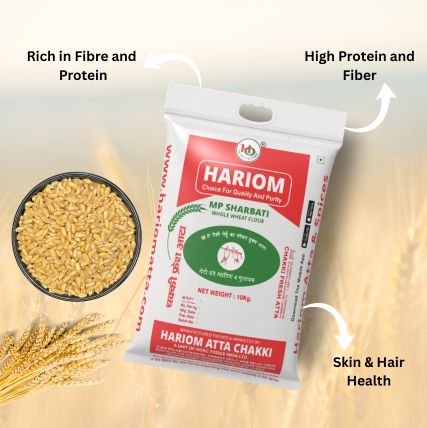
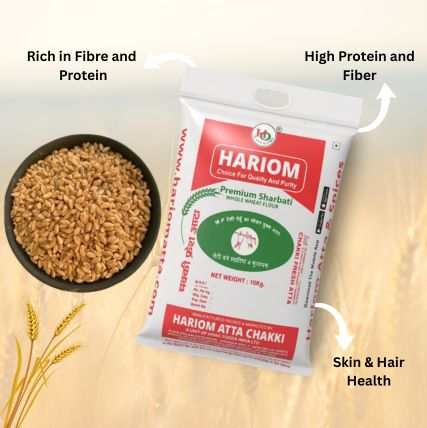
Multigrain atta vs. sharbati atta: This comparison is really about softness versus nutritional breadth. Sharbati atta is prized for producing the softest, sweetest rotis because of the wheat variety itself, while multigrain atta trades a small amount of that softness for a meaningfully wider nutrient profile. Neither is "better" outright — it depends whether your priority on a given day is texture or nutrition density.
Multigrain atta vs. gluten-free atta: Multigrain atta is not gluten-free, since wheat remains its majority ingredient. If gluten avoidance is a medical necessity rather than a preference, a dedicated gluten-free atta (built from jowar, ragi, or rice flour without any wheat) is the correct choice, not multigrain atta.
Multigrain atta vs. plain wheat atta:This is the most common comparison of all, and the honest answer is that plain wheat atta will always be softer and quicker to cook with, while multigrain atta asks for a small learning curve in exchange for meaningfully more fiber, protein, and micronutrients across the exact same daily habit.
Multigrain atta vs. oats atta: Oats atta is another single-grain option, valued mainly for its soluble fiber and cholesterol-lowering reputation. Multigrain atta already includes a portion of oats in most well-built blends, so rather than choosing one over the other, you're often getting oats' core benefit as part of a broader nutritional package.
Cooking Multigrain Atta Into More Than Just Roti
Multigrain roti is the obvious daily use, but the same flour extends well beyond the tawa if you're willing to experiment a little.
Multigrain paratha: Works beautifully with the added density of the blend — the extra grains actually help the paratha hold its layers and stay crisp on the outside while staying soft within, especially when stuffed with aloo, methi, or paneer.
Multigrain puri: A slightly heavier puri than the plain wheat version, with a nuttier flavour that pairs well with a simple aloo sabzi for breakfast — though it needs marginally more oil temperature control since the denser dough behaves a bit differently in hot oil.
Multigrain dosa and idli batter: Less traditional, but a growing number of households blend a portion of multigrain atta into their dosa or idli batter for an extra fiber boost, particularly useful for anyone managing blood sugar who still wants their South Indian breakfast staples.
Multigrain bread and cookies: At the more experimental end, multigrain flour substitutes well for a portion of all-purpose flour in home-baked bread and cookies, adding both fiber and a rustic, slightly denser bite that many people come to prefer once they adjust.
Multigrain Atta for Specific Life Stages
For kids: Multigrain atta can be introduced gradually rather than all at once — many parents start by mixing it 50-50 with regular wheat atta so children adjust to the taste and texture slowly, before moving to a fuller multigrain blend as they get used to it.
For pregnant women: The added iron from ragi and the protein from soybean and chana make multigrain atta a genuinely useful addition during pregnancy, though as with any dietary change during this period, it's worth checking with a doctor or dietician rather than switching purely based on general advice.
Storing Multigrain Atta the Right Way
Because multigrain atta contains a wider mix of grains and, in some blends, a small quantity of seeds like flax, it's slightly more prone to spoilage than plain wheat atta if stored carelessly. Keep it in an airtight container, away from direct sunlight and moisture, and ideally use it within two to three months of purchase for the freshest taste and maximum nutrient retention — the oils in ingredients like flax and oats break down faster than the starches in wheat, which is part of why very old multigrain atta can start to taste faintly bitter well before a plain wheat atta would show the same signs of age.
Frequently Asked Questions
Is multigrain atta better than wheat atta for daily use?
For most healthy adults, yes — the added fiber, protein, and micronutrients make it a meaningful upgrade over plain wheat atta for the exact same daily roti habit, with only a small adjustment needed in how the dough is kneaded and rolled.
Why is multigrain atta considered healthy?
Because it combines the fiber, protein, and micronutrient strengths of several grains and lentils into one flour, rather than relying on wheat alone — the combined effect is slower digestion, more stable blood sugar, and a more complete nutritional profile per roti.
Can diabetics eat multigrain roti?
Generally yes, and it's often recommended specifically because the added fiber from grains like bajra and jowar slows down the rise in blood sugar compared to a plain wheat roti — though portion size and overall diet still matter more than any single ingredient swap.
How do I make multigrain roti soft?
Rest the dough for 15-20 minutes after kneading, use slightly warm water, and roll the roti a touch thicker than you would with plain wheat atta — these three adjustments solve the vast majority of "why is my multigrain roti hard" complaints.
How much multigrain atta should I eat per day?
There's no fixed daily limit — most households simply replace their regular wheat atta with multigrain atta entirely and eat rotis as they normally would, since it's a like-for-like swap rather than a supplement with a dosage.
What is the shelf life of multigrain atta?
Typically two to three months when stored in an airtight container away from heat and moisture, somewhat shorter than plain wheat atta due to the natural oils present in ingredients like oats and flaxseeds.


![Bring more grains, fibre and variety to your everyday rotis—[shop Hariom Fresh Multigrain Atta] today.](http://www.hariomatta.com/cdn/shop/articles/multigrain_atta.png?v=1785400960&width=533)

![Looking for atta that’s actually fresh, not just labelled fresh? Visit your nearest Hariom outlet or [explore our freshly ground atta range] and taste the difference yourself.](http://www.hariomatta.com/cdn/shop/articles/fresh_atta_17737689-d0fa-4b87-b1c8-d7acbd6e03ee.png?v=1785400735&width=533)