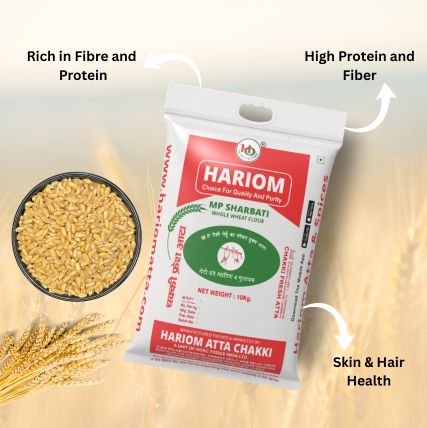
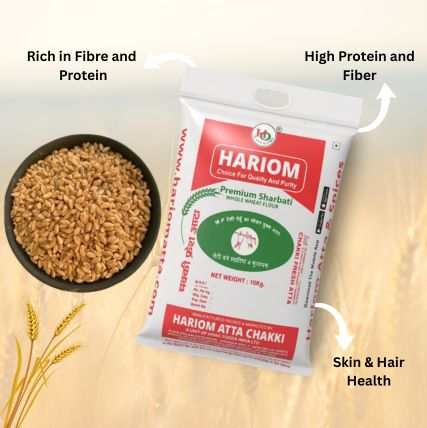
If you've ever bitten into a soft, fragrant roti at your grandmother's house and wondered why it never tastes quite the same at home, the answer is simpler than you think: fresh atta. Not the fancy packaging. Not the brand name printed in bold on the front. Just fresh, freshly-ground wheat flour, made the way it was always meant to be made.
In this blog, we're going to talk honestly about something most atta brands don't want you to think too hard about — how "fresh" your atta really is by the time it reaches your kitchen, and why that one factor changes everything about your roti, your health, and your daily meals.
What Does "Fresh Atta" Actually Mean?
Fresh atta simply means wheat that has been cleaned and ground close to the time you use it — not weeks or months earlier. When wheat is milled, its natural oils and nutrients are exposed to air. From that moment, a clock starts ticking. Fresh atta is atta that reaches you before that clock runs out.
That's it. No secret formula. Just timing.
The Problem: Most Packaged Atta Isn't as "Fresh" as It Looks
Here's something worth understanding before you pick up your next packet of atta. Many large atta brands are built around a very different priority than freshness — they're built around shelf life.
Think about it from a business point of view. A brand that sells atta across hundreds of cities, sitting in warehouses, trucks, and store shelves for weeks or even months, cannot survive on flour that goes stale in a few days. So the industry has quietly leaned on practices that extend shelf life — things like refined processing, extended storage, and packaging techniques designed to make atta look fresh on the shelf, with clever words like "farm fresh," "chakki fresh," or "stone ground" printed on the packet.
The problem? A packet sitting in a warehouse for 60-90 days before it even reaches the store shelf is not fresh — no matter what the label says. Once wheat is ground, its nutrition, aroma, and taste begin to decline within days, not months. So when a brand promises "freshness" out of a sealed plastic packet that has already travelled through a long supply chain, it's worth asking: fresh compared to what?
This isn't about calling anyone dishonest outright — it's about understanding that "freshness" as a marketing word and freshness as a nutritional reality are two very different things. Most packaged atta is optimized to survive time on a shelf, not to give you the nutrition and taste of flour that was ground yesterday.
Why Fresh Atta Actually Matters for Your Health
This isn't just about taste (although fresh atta does taste noticeably better — softer rotis, better rise, a natural wheat aroma you can smell the moment you open the packet). Freshness affects your family's health in real, measurable ways:
1. Better Nutrient Retention Wheat contains natural oils, fibre, vitamin B, vitamin E, and minerals like iron and magnesium. The moment wheat is milled, these nutrients start oxidising and breaking down. The fresher the atta, the more of these nutrients actually make it to your body.
2. Lower Risk of Rancidity Wheat germ oil, present naturally in whole wheat, turns rancid over time. Rancid flour isn't just less nutritious — it can taste slightly bitter and affect digestion, especially in children and elderly family members.
3. Easier Digestion Freshly ground atta is easier on the stomach. Many people who complain of bloating or heaviness after eating rotis are unknowingly reacting to old, oxidised flour rather than wheat itself.
4. No Need for Preservatives or Additives Fresh atta, used within days of grinding, doesn't need any of the shelf-life-extending treatment that long-stored flour often relies on. What you get is closer to what your body actually needs — real wheat, nothing else.
How Hariom Is Different
At Hariom, we built our entire model around one simple idea: atta should be ground close to you, close to the time you need it — not months in advance in a distant factory.
Every Hariom outlet is equipped with its own in-house grinding setup, so the wheat is cleaned and milled right there, close to your home, instead of travelling for weeks through a long, faceless supply chain. There's no long storage period sitting between the mill and your kitchen. What you buy is what was recently ground — simple, transparent, and exactly what fresh atta is supposed to be.
We don't rely on shelf-life tricks or clever packaging language to convince you of freshness. We simply keep the process short enough that freshness isn't something we need to claim — it's something you can taste.
And because everyone's kitchen is different, every Hariom outlet is equipped with a customised machine that can grind your atta exactly the way you want it — coarse, fine, or anywhere in between — fresh, on the spot, every single time.
Frequently Asked Questions About Fresh Atta
1. What is fresh atta and how is it different from regular packaged atta? Fresh atta is wheat flour that has been ground recently, close to the time you use it. Regular packaged atta is often milled weeks or months in advance and then stored, transported, and shelved before it reaches you — by which point much of its natural freshness, aroma, and nutrition have already declined.
2. How long does fresh atta stay good? Fresh atta is best used within 7-10 days when stored in a cool, dry, airtight container. Unlike heavily processed packaged atta, it doesn't rely on additives for a long shelf life, so it's meant to be consumed sooner rather than stored for months.
3. Does fresh atta taste different from store-bought atta? Yes, noticeably. Fresh atta has a natural wheat aroma, a slightly sweeter taste, and produces softer, more pliable rotis. Older, stored atta tends to taste flatter and can even have a mild bitterness from oxidised wheat germ oil.
4. Is fresh atta healthier than packaged atta? Fresh atta retains more of its natural nutrients — fibre, vitamin B, vitamin E, iron, and magnesium — because these begin breaking down soon after milling. The fresher the atta, the more of this nutrition actually reaches your body.
5. Why do some brands claim their atta is "fresh" even though it's been packaged for a long time? It's a common marketing practice. Words like "farm fresh" or "chakki fresh" are used on packaging, but if the atta has travelled through a long supply chain and sat in storage for weeks, it's not truly fresh by the time it reaches your kitchen — regardless of what the label says.
6. How does Hariom ensure its atta is actually fresh? Every Hariom outlet has its own in-house grinding setup, so wheat is cleaned and milled locally, close to when you need it — cutting out the long storage and transport time that packaged atta typically goes through.
7. Can I get atta ground according to my preference at Hariom? Yes. Every Hariom outlet is equipped with a customised machine that can grind your atta exactly the way you want it — coarse, fine, or anywhere in between — fresh, on the spot, every single time.
Conclusion: Freshness Isn't a Marketing Word — It's a Choice You Make Every Day
At the end of the day, fresh atta isn't about a fancy label or a clever packaging line — it's about what actually happens between the moment wheat is milled and the moment it turns into a roti on your plate. The shorter that gap, the more nutrition, taste, and quality you get. That's the whole story.
Big brands have built their business around long shelf lives, which means the atta on their shelves has usually been sitting around far longer than the packaging lets on. Hariom takes the opposite approach — grinding atta locally, close to when you need it, with no long storage chain in between. It's a simple difference, but it's the one that actually matters for your family's health and your daily roti.
Looking for atta that's actually fresh, not just labelled fresh? Visit your nearest Hariom outlet and taste the difference for yourself.
you can visit our fresh Atta Range -