There was a time when millets were not a "trend" — they were just food. Our grandparents ate bajra roti in winters, jowar bhakri with a dollop of ghee, and ragi porridge for growing kids. Somewhere between the rise of polished rice and refined wheat, millets quietly disappeared from most Indian kitchens.
Now they're back, and this time backed by science, nutritionists, and even the United Nations, which declared 2023 as the International Year of Millets. If you've been hearing the word "millet" everywhere lately and wondering what the fuss is about, this blog will walk you through everything — what millets are, their health benefits, the different types available, and why switching to millet atta could be one of the simplest health upgrades you make this year.
What Are Millets?
Millets are a group of small-seeded grasses that have been cultivated in India for thousands of years, long before wheat and rice became dietary staples. They are naturally gluten-free, packed with fiber, and require far less water to grow compared to rice or wheat — making them as good for the planet as they are for your body.
Some of the most common millets found in Indian kitchens include:
- Ragi (Finger Millet) – rich in calcium, commonly used for porridge and roti
- Jowar (Sorghum) – used for bhakri, rotis, and even popped like popcorn
- Bajra (Pearl Millet) – a winter favorite, warming and fiber-rich
- Foxtail Millet – light and easy to digest, often used in khichdi
- Little Millet & Kodo Millet – smaller grains, great rice substitutes
- Barnyard Millet – popular during fasting (vrat) and low in calories
- Proso Millet – mild in taste, versatile for both sweet and savory dishes
Each of these millets can be ground into flour, commonly known as millet atta, and used just like wheat flour in rotis, dosas, porridge, and baked goods.
Why Millets Are Called a Superfood
You'll often see millets described as a "superfood," and unlike many marketing buzzwords, this one is actually backed by nutrition science. Here's why:
1. Naturally Gluten-Free
Millets are naturally free of gluten, making them a safe and nutritious grain option for people with gluten sensitivity or celiac disease.
2. Low Glycemic Index
Most millets have a lower glycemic index compared to refined wheat and white rice, meaning they release glucose into the bloodstream more slowly — a property often associated with better blood sugar management.
3. Rich in Fiber
Millets are high in dietary fiber, which supports digestion, helps maintain a healthy gut, and keeps you feeling full for longer — useful for anyone managing weight.
4. Packed with Minerals
Millets like ragi are especially rich in calcium, while others like bajra and jowar provide iron, magnesium, and phosphorus — nutrients essential for bone health, energy metabolism, and overall wellness.
5. Good for Heart Health
Being rich in magnesium and low in saturated fat, millets are generally considered supportive of healthy cholesterol levels and cardiovascular wellness.
6. Supports Weight Management
Because of their high fiber and protein content, millets keep you satiated for longer, which can naturally help reduce overeating and support weight management goals.
7. Environmentally Sustainable
Millets require significantly less water and can grow in harsh, dry conditions compared to rice and wheat — making them a more sustainable choice for the environment as well as your health.
Health Benefits of Popular Millets
Ragi (Finger Millet) Benefits
Known as one of the richest plant-based sources of calcium, ragi is commonly recommended for growing children, pregnant women, and elderly individuals for bone strength. It's also naturally rich in amino acids and antioxidants.
Jowar (Sorghum) Benefits
Jowar is high in fiber and antioxidants, and is often recommended as part of a heart-healthy and diabetes-friendly diet due to its lower glycemic response.
Bajra (Pearl Millet) Benefits
Traditionally eaten in winters, bajra is warming for the body and rich in iron and magnesium, making it popular for combating fatigue and supporting energy levels during colder months.
Foxtail Millet Benefits
Light on the stomach and easy to digest, foxtail millet is often used as a rice substitute for those managing blood sugar levels or looking for a lighter meal option.
Little Millet & Kodo Millet Benefits
These smaller millets are low in calories and high in fiber, making them a popular choice among people focused on weight management and clean eating.
How to Include Millets in Your Daily Diet
You don't need to overhaul your entire diet overnight. Here's how millets can be gradually introduced into everyday meals:
- Breakfast – Ragi porridge, jowar dosa, or millet upma
- Rotis – Replace regular wheat atta with millet atta or a multi-millet atta blend for daily rotis
- Khichdi – Foxtail or little millet khichdi as a light, wholesome lunch or dinner
- Snacks – Roasted jowar or bajra as a healthy evening snack
- Baking – Millet flour can be used in cookies, cakes, and flatbreads for a nutritious twist
- Fasting (Vrat) Food – Barnyard millet (samak/samvat ke chawal) is a popular vrat-friendly option
A simple tip: if you're new to millets, start by mixing millet atta with your regular wheat atta in a small ratio (like 20-30%) and gradually increase it as your taste buds adjust.
Millets for Diabetes and Weight Loss
Two of the most searched health concerns today are diabetes management and weight loss — and millets have a strong reputation in both areas.
For diabetes: Because of their lower glycemic index and high fiber content, millets are often recommended as part of a balanced diabetic diet, as they help avoid sudden spikes in blood sugar compared to refined grains.
For weight loss: The high fiber and protein content in millets promotes satiety, meaning you naturally eat less over time. Combined with their lower calorie density compared to processed grains, millets can be a smart addition to any weight management plan.
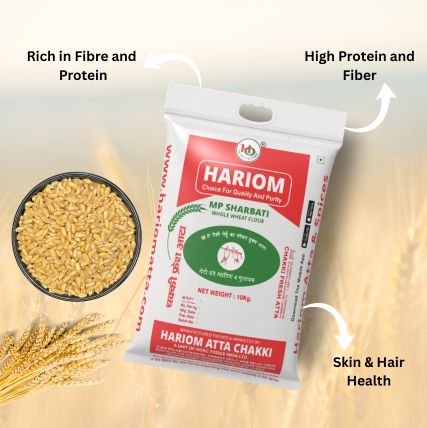
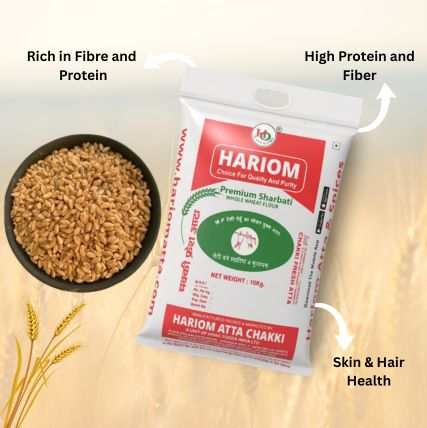
Why Choose Hariom Atta's Millet Flour?
At Hari Om Atta, we understand that today's health-conscious customers aren't just looking for "atta" — they're looking for clean, traditionally processed millet flour they can trust for their family's daily meals. Here's what sets our millet atta apart:
- Sourced from quality millet grains, cleaned and processed hygienically
- Stone-ground to preserve natural nutrients and fiber
- No additives, no polishing, no artificial processing
- Available in single-grain options (ragi, jowar, bajra) and multi-millet blends
- Freshly packed and delivered to your doorstep
Whether you're managing diabetes, trying to lose weight, or simply want to bring back a healthier grain into your family's diet, our millet atta makes the switch simple and convenient.
Explore Hariom Atta's range of millet flours-
Frequently Asked Questions (FAQs)
Q1. What are millets and why are they considered healthy? Millets are ancient, naturally gluten-free grains rich in fiber, minerals, and antioxidants. They are considered healthy because of their low glycemic index, high nutrient density, and digestive benefits.
Q2. Which millet is best for weight loss? Foxtail millet, little millet, and kodo millet are commonly preferred for weight loss due to their low calorie density and high fiber content, which helps in keeping you full for longer.
Q3. Is millet atta good for diabetics? Yes, millet atta generally has a lower glycemic index compared to wheat flour, making it a popular choice among people managing blood sugar levels, though it should be consumed as part of an overall balanced diet.
Q4. Can millet atta replace wheat atta completely? Millet atta can replace wheat atta, but since millets are gluten-free, the texture of rotis may differ slightly. Many people prefer starting with a multi-millet and wheat blend before moving to 100% millet atta.
Q5. Which millet is richest in calcium? Ragi (finger millet) is widely known as one of the richest plant-based sources of calcium among commonly consumed grains.
Q6. Are millets suitable for children and elderly people? Yes, millets like ragi are traditionally given to children and elderly individuals due to their high calcium and nutrient content, which supports bone health and easy digestion.
Millets aren't a passing health trend — they're a return to how Indians ate for centuries before polished grains took over our kitchens. Rich in fiber, minerals, and naturally gluten-free, millets offer a simple yet powerful way to improve everyday nutrition for the whole family.
If you're ready to bring the goodness of ragi, jowar, bajra, and other millets back into your kitchen, it's time to make the switch to a cleaner, more traditional millet atta.
Explore Hariom Atta's range of millet flours-
take the first step towards a healthier, more balanced diet.