Ask anyone what they bought during their weekend grocery run or added to their quick-commerce cart last night, and there is a massive chance the order includes a bag of flour. It is the one daily essential that does not need a recipe card in most Indian homes—your hands just instinctively know exactly how much water to pour into the mixing bowl while kneading the dough.
Long before specialized fitness terms and dietary labels started showing up on premium food packaging everywhere, our grandmothers were already ensuring our families got sustained daily energy from a couple of fresh, hot chapatis cooked on a cast-iron tawa. No artificial additives or chemical softeners needed. That is the exact philosophy behind how we approach kitchen staples at Hariom—providing pure, unpolished, stone-ground flours sourced as close to the farm gate as we can possibly get, processed the way grains have always been processed.
Below is an honest breakdown of the premium wheat varieties worth keeping in your kitchen pantry, what each one is actually good for, how they stack up nutritionally, and why traditional grains deserve way more credit than they get in the modern wellness space.
First, What Is Actually the Difference Between Sharbati Wheat and Regular Wheat?
We need to clear up a quick point of confusion before we go any further, because people ask this question far more than you would think when trying to find the best atta for their home. "Regular wheat" is a broad, catch-all commercial term—it usually covers high-yield, mass-produced hybrid grain varieties like Lokwan or standard farm blends that are grown using intensive artificial irrigation across multiple states.
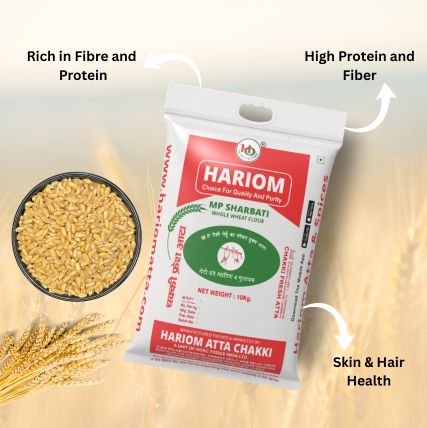
Authentic MP Sharbati atta, on the other hand, refers to a highly specific premium regional variety grown predominantly in the rain-fed, golden soil plains of Sehore and Vidisha in Madhya Pradesh.
Think of it like regular rice versus premium basmati. Sharbati grain is physically plumper, possesses a distinct amber shine, and holds a much higher natural sugar content. This organic structure explains why some flour bags sit at a budget-friendly baseline while a premium pack of Sharbati costs a bit more. It is not just a difference in packaging; it is a completely different grain experience in your hands.
MP Sharbati Atta — The One Everyone Is Searching For
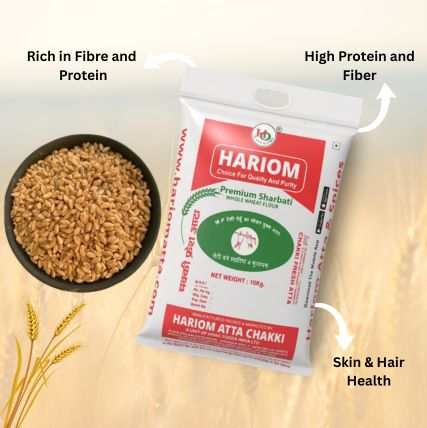
If there is a specific flour that turns a basic weekday dinner into a meal worth sitting down for, it is this one. Pure mp gehu is highly prized across India because it contains a superior starch quality that absorbs an incredible amount of water during the kneading process. It is naturally sweet. It is supposed to be.
Here is the thing though—the secret to making a perfect chapati that stays soft for hours does not involve adding milk or oil to your dough. It comes down to the structural integrity of the wheat grain itself. When you start with fresh, unadulterated Sharbati flour, stretch the dough properly, and give it a vital twenty-minute resting phase, the natural gluten networks relax completely. That organic process is exactly what gives Sharbati rotis their legendary velvety softness.
If your chapatis have ever come out dry, chalky, or rubbery after sitting in a casserole box for an hour, it is almost never your cooking technique's fault—it is usually the age and processing of the flour. Mass-produced commercial varieties that have been high-speed roller milled and chemically bleached simply lose their ability to retain moisture.
This reality answers a major problem a lot of modern home cooks actively search for—why do my rotis turn hard and black—and nine times out of ten, it comes down to buying low-grade commercial blends instead of looking for pure mp atta milled from genuine Sehore grains.
Chakki Fresh Atta — What Actually Gets Milled for Everyday Cooking
Nobody is sourcing artisanal micro-grains for a quick Tuesday night dinner. What you are actually using for your daily family meals is standard, dependable chakki atta—flour processed using traditional, slow-turning heavy stones that crush the whole grain without stripping away its natural properties.
Stone-ground gehu atta has seen a massive resurgence in interest lately among urban households, and it is not hard to understand why. Traditional slow milling avoids generating the high frictional heat seen in massive industrial roller plants. This temperature control ensures that the healthy fats, natural grain oils, and fiber-rich outer bran stay completely intact within the flour.
Good quality, unbleached flour should have a slightly off-white, speckled cream appearance and a deeply aromatic, earthy smell when you open the bag. Settling the ongoing debate around packaged brands versus local mills comes down to structural freshness: as long as the grain is stone-ground and kept unrefined, your body processes it beautifully.
One major issue that trips people up with daily whole wheat consumption is digestive heaviness. If eating rotis leaves you feeling uncomfortably heavy or bloated, it is usually not the grain itself but how it was processed. Industrial milling methods strip away the natural digestive enzymes, which explains the common query why does commercial flour cause bloating. Choosing a traditional chakki fresh product completely resolves this issue for most families, allowing them to enjoy their favorite comfort meals without any digestive discomfort.
Khapli Wheat — The Ancient Grain Tradition
Embracing ancestral food traditions barely needs an introduction at this point. What separates a highly therapeutic bag of ancient flour from a regular everyday option is the genetic purity of the seed you start with. Authentic khapli wheat (also known globally as Emmer wheat) is highly prized because its genetic structure has remained completely unchanged for thousands of years, completely free from modern agricultural hybridization.
The raw grain looks noticeably darker, longer, and more rustic than standard varieties. When milling it into roti flour, it produces a dense, nutty dough that requires a bit more care to roll out since it behaves quite differently from high-gluten modern options.
Patience in the kitchen is really what separates a beautifully made, rustic ancient grain flatbread from a rushed version that tears apart on the rolling board. Khapli also happens to be one of the absolute best flour choices if you are consciously building a daily diet around low-glycemic principles or dealing with metabolic wellness goals. It is incredibly dense in complex dietary fiber and essential minerals, which is exactly the combination health-conscious individuals are chasing when searching for a dependable low gi carbohydrate source. You genuinely do not need to cut out traditional flatbreads from your life when a bowl of rustic ancient grain flour provides a highly stable, clean source of daily energy.
Modern Shopping Trends: Quick Commerce and Bulk Value
The modern grocery landscape is changing rapidly, and how we restock our kitchen shelves looks completely different than it did a few years ago. If you run out of flour in the middle of a busy workweek, you do not have to wait for the weekend market run. You can simply open your phone and order a bag of blinkit atta or check live product availability for zepto atta to get fresh premium flour delivered directly to your doorstep in under fifteen minutes.
However, when you are looking at the overall household economy, tracking the actual atta price per kilogram is where smart homeowners save long-term money. While quick commerce is unbeatable for sudden kitchen emergencies, checking the broader gehu price or monitoring the seasonal gehu rate across major distribution hubs helps you make smarter bulk purchases.
Opting for a family-sized atta 10kg bundle or a sturdy atta 5kg package from a verified, transparent organic brand is always the most practical strategy. Bulk sizes significantly lower your net cost per gram while protecting your monthly kitchen budget from sudden price spikes in the raw wheat online marketplace.
Furthermore, checking reputable national options like traditional aashirvaad flour lines, specialized clean labels like jiwa flour, or dependable household mainstays like fortune flour ensures you can compare ingredients transparently. Always look past the fancy front labels and read the ingredient deck on the back to confirm you are paying for 100% pure whole grains, rather than a cheap commercial mix filled with hidden fillers or refined additives.
The Flour Matrix: Quick Reference Guide
To help you choose the right base for your kitchen requirements, here is how India’s top premium grains compare across everyday household factors:
-
MP Sharbati Atta: The undisputed king for ultra-soft, naturally sweet chapatis that stay soft for up to 8 hours. Best choice for daily household use.
-
Khapli Wheat Flour: An ancient, unhybridized grain packed with complex fibers. Ideal for structural weight management and highly favored as a clean low gi dietary staple.
-
Lokwan Wheat: A sturdy, hard-grained regional variety that offers excellent dough elasticity. Perfect for making crispy parathas and budget-friendly daily meals.
-
Bansi Wheat: A traditional golden-brown variety that yields a coarse, robust texture. Excellent for artisanal stone-ground baking and traditional broken wheat recipes.
Frequently Asked Questions
Why do chapatis made from regular commercial flour turn hard so quickly?
Mass-produced commercial flours are often processed using high-speed roller mills that generate immense heat, destroying the natural oils and stripping away the moisture-retaining elements of the grain. Switching to a premium stone ground or authentic Sharbati option ensures the flour retains its natural moisture, keeping your rotis pliable for hours.
How can I easily verify the latest market wheat prices online?
You can easily check live, updated retail rates for a premium flour brand or look up bulk pricing options by checking your favorite quick-commerce applications or online grocery platforms. Tracking prices on these apps gives you an instant view of current consumer trends and available options.
Is khfapli wheat flour completely gluten-free?
No, khapli wheat contains gluten, but its genetic structure is vastly different from modern hybridized wheat varieties. Many people find its ancient gluten structure significantly easier to digest, making it a highly popular alternative for health-conscious households.
What is the best way to store a large 10kg bag of whole wheat flour?
To prevent spoilage and keep your flour fresh, transfer your atta 10kg package into a clean, completely airtight stainless steel drum or a food-grade storage container. Store it in a cool, dark kitchen pantry away from ambient moisture or direct stovetop heat.
Why should I choose organic gehu options over conventional choices?
Opting for verified organic gehu ensures the raw crop was cultivated without synthetic chemical pesticides or artificial growth enhancers. This clean agricultural practice preserves the pure, natural flavor profile of the grain while offering a safer, unadulterated ingredient for your family's daily meals.


![Bring more grains, fibre and variety to your everyday rotis—[shop Hariom Fresh Multigrain Atta] today.](http://www.hariomatta.com/cdn/shop/articles/multigrain_atta.png?v=1785400960&width=533)