There's a particular kind of disappointment in pulling a roti off the tawa and watching it sit there flat, stiff, and already cooling into something closer to a cracker than a chapati. Almost everyone who has tried making rotis at home has been there and almost every time, the reason traces back to one of a small handful of fixable mistakes.
Soft rotis aren't a matter of luck, a "gift" some cooks have and others don't, or a particular brand of flour with a marketing budget. They come down to four things done right, in order: the flour, the dough, the rolling, and the heat. Get those right and softness stops being unpredictable.
Why Rotis Turn Hard: The Real Reasons
Before the fixes, it helps to understand what's actually happening when a roti turns out hard, dry, or refuses to puff. In almost every case, it's one (or a combination) of these:
- The flour itself is the problem: stale, low-fibre, or heavily processed atta simply cannot produce the same softness as fresh, properly milled flour, no matter how well you knead or cook it
- The dough is too dry or too tight: without enough water, there isn't enough moisture to turn into the steam that makes a roti puff
- The dough wasn't kneaded long enough: under-kneading leaves the gluten underdeveloped, so the dough lacks the elasticity needed to expand on the tawa
- The dough was rolled unevenly: thick patches cook slower than thin ones, leading to uneven texture and rotis that are part-hard, part-soft
- The tawa wasn't hot enough when the roti went on: a lukewarm pan means the roti cooks too slowly, drying out before it ever has a chance to puff
Once you know which of these is happening, the fix is usually simple. Here's the full breakdown.
Tip 1: Start With the Right Flour
This is the step most people skip past, and it's the one that matters most. A roti is only as soft as the flour it's made from; no amount of technique can fully compensate for poor-quality or stale atta.
Freshly milled whole wheat atta retains more of its natural moisture, oils, and fiber than flour that has been sitting in a warehouse or on a store shelf for months. This isn't a small detail; fresher flour absorbs water more evenly during kneading, which directly translates into a softer, more pliable dough and a roti that stays soft for hours rather than going stiff within the hour.
Avoid maida (refined flour) for rotis entirely; it lacks the fiber and protein structure that gives whole wheat dough its elasticity, and rotis made from it tend to turn dense rather than soft. If you want noticeably better results with no change in technique, switching to a fresh, stone-ground atta is the single highest-impact change you can make.
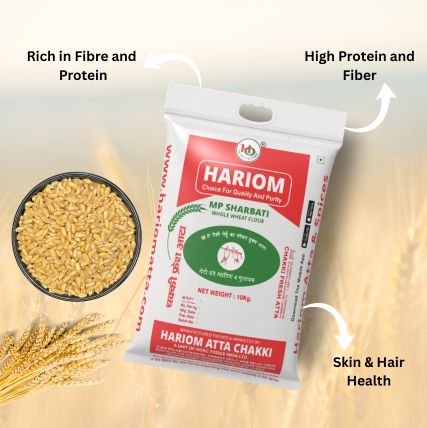
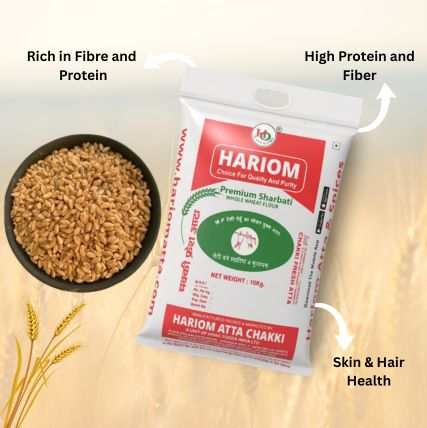
Shop fresh, stone-ground M.P. Sharbati Wheat Flour →
Tip 2: Use Warm Water, Not Cold
Warm water activates the gluten in wheat flour far more effectively than cold water does. This single swap using lukewarm rather than cold water while kneading produces a noticeably smoother, more elastic dough with very little extra effort.
As a rough guide, 2 cups of atta typically needs around ¾ cup of water, though the exact amount varies depending on the flour's freshness and your climate's humidity. Add water gradually, mixing as you go, rather than dumping it all in at once.
Tip 3: Knead Longer Than You Think You Need To
Most home cooks under-knead. The general guidance is 8–10 minutes of active kneading, using the heel of your palm to push the dough away from you, folding it back, and repeating not just a quick mix until it holds together.
This matters because kneading is what develops the gluten network in the flour, and that gluten network is exactly what allows the dough to stretch and trap steam later on the tawa. A roti made from an under-kneaded dough may look fine when rolled, but it will lack the elasticity to puff properly and will often turn out tougher once cooked.
The dough is ready when it feels soft, smooth, and slightly springy to the touch — not sticky, but not stiff or tight either. If it feels too tight, add a teaspoon of water at a time and keep kneading.
Tip 4: Let the Dough Rest
This step gets skipped constantly, usually because people are short on time but resting the dough for 15–30 minutes after kneading makes a real, noticeable difference. During this rest, the gluten that was just developed through kneading relaxes, which makes the dough significantly easier to roll out evenly and produces a softer final texture.
Cover the dough with a damp cloth or a lid while it rests, so the surface doesn't dry out.
Tip 5: Roll Evenly, With a Light Touch
Uneven rolling is one of the most common reasons rotis come out partly hard and partly soft, or fail to puff at all. A roti that's thicker on one side than the other cooks unevenly the thinner section can dry out and turn brittle while the thicker section is still undercooked.
Roll with a light, even pressure, rotating the dough as you go to keep the shape circular and the thickness consistent. Dust lightly with dry flour to prevent sticking, but make sure to brush or tap off the excess dry flour before placing the roti on the tawa; leftover dry flour on the surface makes rotis drier and less soft.
Tip 6: Get the Tawa Properly Hot Before Cooking
A roti placed on a tawa that isn't hot enough will cook too slowly, losing moisture the entire time and turning out hard rather than soft. This is one of the most common and easily fixed mistakes.
Preheat the tawa on medium-high heat for 2–3 minutes before the first roti goes on. A simple test: flick a few drops of water onto the surface; if they sizzle and evaporate almost instantly, the tawa is ready. Once cooking, flip as soon as small bubbles appear on the surface, rather than waiting for large brown char spots to form, since over-charring tends to make rotis brittle rather than soft.
Tip 7: Apply Ghee and Cover Immediately After Cooking
The few seconds right after a roti comes off the tawa matter more than people realize. Brushing a little ghee or butter on a hot roti immediately after cooking helps lock in moisture and adds a layer of richness that keeps the roti soft for longer.
Just as important: stack cooked rotis in a covered container or wrap them in a clean kitchen towel as you go, rather than leaving them exposed on a plate. Rotis left uncovered lose moisture to the air rapidly and start turning rubbery or hard within minutes, even if they were perfectly soft straight off the tawa.
How to Keep Rotis Soft for Hours
(Lunchbox-Ready)
If you're packing rotis for a lunchbox or making them ahead for later in the day, a few extra habits help significantly:
Stack them while warm, not after they've cooled. Cooling rotis individually before stacking causes them to dry out faster than if they're piled together while still warm, trapping in residual steam.
Wrap in a clean cloth, not directly in foil or plastic. A cloth allows some breathability while still retaining warmth and moisture better than sealing rotis in plastic, which can make them feel slightly damp and gummy instead of soft.
Use a fresher, higher-protein atta for lunchbox rotis specifically. Flour with naturally higher protein and gluten content, such as Sharbati wheat, tends to hold its softness for several hours longer than standard wheat atta, which matters a great deal when the roti won't be eaten immediately.
Frequently Asked Questions About Making Soft Rotis
Why do my rotis turn hard after a few minutes? This is almost always caused by moisture loss: either the dough was too dry to begin with, the tawa wasn't hot enough during cooking, or the rotis were left uncovered and exposed to air after cooking. Covering rotis immediately and applying a little ghee helps retain softness for much longer.
Why won't my roti puff up on the tawa? The most common reason is uneven rolling, which causes some areas to cook faster than others and prevents even steam buildup. Under-kneaded dough (insufficient gluten development) and a tawa that isn't hot enough are the next most common causes.
Does the type of atta really make a difference for soft rotis? Yes, significantly. Fresh, stone-ground whole wheat atta with good natural protein content absorbs water more evenly and produces more elastic dough than stale or heavily processed flour. Refined flour (maida) lacks the structure needed for a soft, puffed roti entirely.
How much water should I use for roti dough? A common starting ratio is about ¾ cup of water for every 2 cups of atta, though this varies based on the flour's freshness and ambient humidity. Add water gradually while kneading rather than all at once, and adjust until the dough feels soft and pliable but not sticky.
How long should roti dough rest before rolling? Resting the dough for at least 15–30 minutes after kneading allows the gluten to relax, making the dough noticeably easier to roll out evenly and resulting in a softer final roti.
Can I make rotis soft without using ghee or oil? Yes, softness primarily comes from the flour quality, hydration level, kneading, and cooking technique rather than from added fat. Ghee or oil enhances flavor and helps retain moisture a little longer after cooking, but a well-made dough will be soft even without it.
The Foundation of Every Soft Roti
Every tip above matters, but none of them can fully compensate for flour that's already lost its freshness by the time it reaches your kitchen. At Hariom Atta, every batch of wheat flour, Sharbati, Lokwan, and Multigrain alike, is stone-ground fresh on order, retaining the natural moisture, oils, and fiber that give dough its elasticity in the first place.
Good technique closes the gap. Fresh, quality flour is what makes that gap small to begin with.