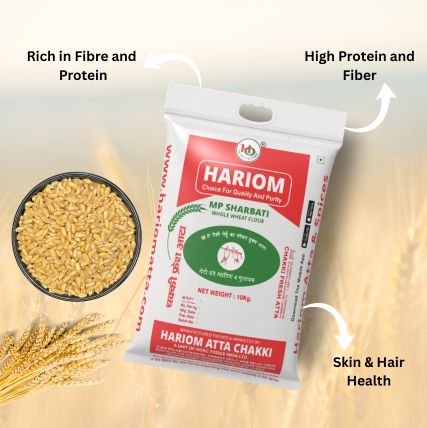
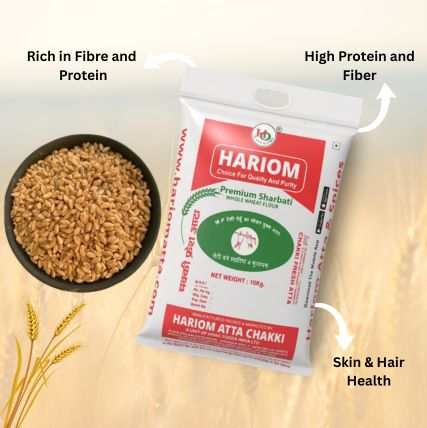
What Is Multigrain Atta?
If you've been standing in the supermarket aisle staring at packets of multigrain atta wondering whether it's actually worth the switch — you're not alone. Let's break it down simply.
Multigrain atta is flour made by grinding a combination of different grains together. Instead of relying solely on wheat (like regular chakki atta does), multigrain atta brings several grains into the mix — think oats, barley, millet varieties like bajra and ragi, corn, and sometimes even quinoa or flaxseeds, depending on the brand.
The idea is straightforward: different grains carry different nutritional strengths. When you combine them into one flour, your daily roti quietly becomes a lot more nourishing than it used to be.
What Goes Into Multigrain Atta?
The exact grain mix varies by brand, but most multigrain attas share a common core of ingredients:
Whole Wheat forms the foundation — it's still the dominant grain in most blends. Unlike maida, whole wheat retains the bran, germ, and endosperm, meaning you get the fibre, B vitamins, and minerals that refining would otherwise strip away.
Oats - bring beta-glucan, a type of soluble fibre that has a well-documented effect on cholesterol. They also lend a mild, slightly nutty flavour to the flour.
Millets — ragi, jowar, bajra — are the real stars of the show. These ancient grains are naturally gluten-friendly (not all are technically gluten-free, but they're gentler on the gut), rich in iron, calcium, and protein, and have been a staple of Indian diets for centuries before refined flour pushed them aside.
Barley adds another source of soluble fibre and gives the dough a slightly chewy, earthy character. It also has a slower effect on blood sugar than plain wheat.
Other additions might include flaxseeds (for omega-3s), corn, amaranth, or quinoa — each contributing their own nutritional niche to the overall blend.
Compared to regular refined flour, multigrain atta generally wins on fibre, protein, and micronutrient content. The calorie count is roughly similar — so it's not a "diet food" in the traditional sense, but it's a meaningfully better version of the same calories.
Shop fresh, stone-ground Multigrain Atta Flour →
Why People Are Making the Switch — The Real Benefits
-
Your Gut Will Thank You
The high fibre content in multigrain atta supports smoother digestion. Fibre adds bulk to your stool, helps food move through your system properly, and feeds the good bacteria in your gut. If constipation or bloating is something you deal with regularly, swapping your atta could genuinely make a difference.
2. Better Blood Sugar Control
This one matters a lot — not just for people with diabetes, but for anyone who experiences energy crashes after meals. Multigrain atta has a lower glycaemic index than white flour because the complex carbohydrates from multiple grains digest more slowly. This means a more gradual rise in blood sugar rather than a sudden spike.
3. It Can Support Weight Goals
Because multigrain atta is higher in fibre and protein, rotis made from it tend to be more filling. You naturally feel satisfied with less. Over time, that's a meaningful contribution to eating less without actually trying to restrict yourself.
4. Heart Health — Beyond Just Marketing
Oats and barley in the blend contain soluble fibre that actively helps reduce LDL (the "bad" cholesterol). This isn't just a wellness claim — it's backed by substantial research. Switching your daily flour is a small, sustainable habit that supports cardiovascular health over the long run.
5. Stronger Immunity
Whole grains are surprisingly rich in antioxidants, zinc, and magnesium — all of which play a role in keeping your immune system functioning well. It's not a cure or supplement, but consistent consumption of nutrient-dense food genuinely builds resilience over time.
6. Steady, Sustained Energy
Unlike refined flour which can leave you feeling sluggish or craving something sweet an hour after eating, the complex carbohydrates in multigrain atta release energy more gradually. This translates into better focus and stamina throughout the day — especially important if you eat rotis for lunch and need to stay productive through the afternoon.
Frequently Asked Questions
Is multigrain atta suitable for everyone?
Generally, yes. However, if you have a diagnosed gluten intolerance or coeliac disease, check the specific grain composition — most multigrain attas still contain wheat. Look for dedicated gluten-free flour blends instead.
Does it taste different from regular atta?
Slightly. Multigrain atta tends to produce rotis with a earthier, slightly denser flavour compared to plain wheat flour. Most people adjust to — and genuinely enjoy — the taste within a few days.
Is it actually better than whole wheat atta?
Both are significantly better than refined flour. Multigrain atta has an edge in nutrient diversity since you're getting compounds from multiple grain sources rather than just one.
Is multigrain atta gluten-free?
No. Even though millets in the blend are naturally gluten-free, most multigrain attas contain whole wheat — which means gluten is present. If you have coeliac disease or wheat allergy, look for a certified gluten-free flour instead.
Can multigrain atta help with weight loss?
It helps — but it's not magic. The higher fibre and protein keep you fuller for longer, reduce cravings, and help you eat less naturally. Combine it with exercise and a balanced diet and you'll genuinely feel the difference. On its own? Not enough.
What grains go into multigrain atta?
Most blends include whole wheat, jowar, bajra,, ragi, oats, and barley. Some add flaxseeds for healthy fats, or pulses like chana for extra protein. The mix varies by brand — always check the ingredient list rather than trusting the front label.
Choose Based on What Your Kitchen Actually Needs
You're not changing your meals. You're not learning new recipes. You're not giving up the rotis your family loves. You're simply upgrading the flour behind them — and quietly making every single roti more nourishing than it used to be.
The benefits are real and they build over time. Better digestion. Steadier energy. Longer-lasting fullness. Improved blood sugar control. A broader range of nutrients from multiple grains working together in one simple flour. None of this is dramatic on day one — but over weeks and months of eating rotis twice a day, the difference genuinely adds up.
So the next time you reach for your atta dabba, make it count. Choose Hariom Multigrain Atta — because your family deserves nutrition they can taste and health they can feel, one roti at a time.